ERP software vendors play a crucial role in providing essential solutions for businesses looking to streamline their operations and maximize efficiency. From key features to industry-specific solutions, this guide covers everything you need to know about ERP software vendors.
Overview of ERP Software Vendors
ERP software plays a crucial role in streamlining business processes, improving efficiency, and enhancing decision-making. As businesses strive to stay competitive in today’s fast-paced environment, the demand for ERP solutions continues to grow.
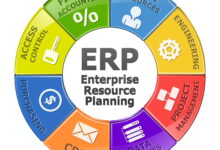

ERP software vendors are essential players in the market, offering a wide range of solutions to meet the diverse needs of businesses across various industries. These vendors provide not only the software itself but also implementation, training, customization, and support services to ensure successful adoption and utilization of ERP systems.
Types of ERP Software Vendors
- Large Enterprise ERP Vendors: Companies like SAP, Oracle, and Microsoft offer comprehensive ERP solutions designed for large organizations with complex operations and extensive resources. These vendors have a global presence and cater to multinational corporations.
- Mid-Market ERP Vendors: Vendors such as Infor, Epicor, and Sage focus on serving mid-sized businesses with ERP solutions that are scalable, affordable, and tailored to the specific needs of growing companies. These vendors often provide industry-specific solutions for sectors like manufacturing, distribution, and retail.
- Cloud ERP Vendors: With the rise of cloud computing, vendors like NetSuite, Acumatica, and Plex Systems offer cloud-based ERP solutions that provide flexibility, accessibility, and cost-effectiveness. Cloud ERP vendors enable businesses to access their systems remotely, collaborate in real-time, and scale their operations as needed.
Key Features Offered by ERP Software Vendors
ERP software vendors offer a wide range of features to help businesses streamline their operations, improve efficiency, and make informed decisions. These features are designed to enhance productivity, reduce costs, and increase overall profitability.
Essential Features Provided by ERP Software Vendors
ERP software vendors typically offer the following essential features:
- Integrated System: ERP systems integrate various business functions such as finance, HR, sales, and inventory into one cohesive platform.
- Real-time Data: Access to real-time data enables quick decision-making and provides accurate insights into business performance.
- Customization: ERP software can be customized to meet the specific needs and requirements of different industries and businesses.
- Scalability: The ability to scale up or down based on business needs ensures flexibility and adaptability.
- Automation: Automation of repetitive tasks and workflows helps improve efficiency and reduce manual errors.
Unique Features Offered by Different ERP Software Vendors
ERP software vendors may also offer unique features that set them apart from their competitors:
- Advanced Reporting and Analytics: Some vendors provide advanced reporting and analytics capabilities to help businesses gain deeper insights into their operations.
- Mobile Access: Mobile-friendly ERP solutions allow users to access critical business information on the go, increasing flexibility and productivity.
- AI and Machine Learning: Integration of artificial intelligence and machine learning technologies can help automate processes and make data-driven predictions.
- Cloud Deployment: Cloud-based ERP systems offer greater accessibility, security, and cost-effectiveness compared to on-premise solutions.
How These Features Help Businesses Streamline Operations
By leveraging the features offered by ERP software vendors, businesses can streamline their operations in the following ways:
- Improved Efficiency: Automation of tasks and workflows reduces manual errors and speeds up processes, leading to increased efficiency.
- Better Decision-making: Real-time data and advanced analytics provide valuable insights that enable informed decision-making and strategic planning.
- Cost Reduction: By integrating various functions into a single system and automating processes, businesses can reduce operational costs and improve overall profitability.
- Enhanced Collaboration: Centralized data and communication tools facilitate collaboration among teams, departments, and stakeholders, fostering a more cohesive and productive work environment.
Top ERP Software Vendors in the Market
When it comes to ERP software vendors, there are several top players in the industry that dominate the market. These vendors have established themselves as leaders in providing comprehensive ERP solutions to businesses of all sizes.
SAP
SAP is one of the largest and most well-known ERP software vendors in the market. Founded in 1972, SAP offers a wide range of ERP solutions that cater to various industries and business needs. With a strong customer base that includes Fortune 500 companies, SAP holds a significant market share in the ERP industry.
Oracle
Oracle is another key player in the ERP software market, offering a suite of integrated applications that help businesses streamline their processes. With a history dating back to 1977, Oracle has built a loyal customer base and continues to innovate its ERP solutions to meet evolving business requirements.
Microsoft
Microsoft is a prominent player in the ERP software market, providing solutions such as Dynamics 365 that help businesses manage their operations efficiently. With a focus on cloud-based ERP solutions, Microsoft has gained popularity among small and medium-sized enterprises looking for scalable and cost-effective ERP systems.
Infor
Infor is a leading ERP software vendor known for its industry-specific solutions that cater to diverse sectors such as manufacturing, healthcare, and retail. With a global presence and a strong customer base, Infor continues to offer innovative ERP solutions that address the unique needs of different industries.
NetSuite
NetSuite, now a part of Oracle, is a cloud-based ERP software vendor that specializes in providing unified business management solutions. With a focus on scalability and flexibility, NetSuite has gained recognition for its comprehensive suite of ERP applications that help businesses optimize their operations.
Comparison of ERP Software Vendors
When choosing an ERP software vendor, it is crucial to compare key differences among the top players in the market. This comparison can help businesses make an informed decision based on their specific needs and requirements.
Key Differences Among Top ERP Software Vendors
- Vendor A offers highly customizable ERP solutions tailored to specific industries, while Vendor B focuses on providing out-of-the-box solutions suitable for small to medium-sized businesses.
- Vendor C emphasizes cloud-based ERP systems with seamless integration capabilities, whereas Vendor D specializes in on-premise solutions with robust security features.
- Vendor E stands out for its user-friendly interface and intuitive design, targeting companies looking for easy adoption and training, whereas Vendor F appeals to enterprises requiring advanced analytics and reporting functionalities.
Pricing Models and Licensing Options
- Vendor A offers a subscription-based pricing model with monthly or annual payment options, allowing businesses to scale their ERP solution as needed.
- Vendor B provides a one-time licensing fee for perpetual use of their software, ideal for companies looking for a long-term investment without recurring costs.
- Vendor C offers a tiered pricing structure based on the number of users and modules required, providing flexibility for businesses of all sizes.
Customer Reviews and Ratings
- Vendor A has received high praise for its responsive customer support and frequent software updates, ensuring a smooth user experience and minimal downtime.
- Vendor D has been commended for its comprehensive training programs and user manuals, helping businesses maximize the potential of their ERP system.
- Vendor F has garnered positive feedback for its advanced features and customization options, allowing companies to tailor the software to their unique business processes.
Customization Options from ERP Software Vendors
When it comes to ERP software, customization options play a crucial role in meeting the unique needs of different businesses. Let’s delve into the level of customization offered by ERP software vendors, examples of how businesses can tailor ERP solutions to their needs, and the impact of customization on overall system performance.
Level of Customization Offered
ERP software vendors typically offer a range of customization options to cater to the specific requirements of businesses. This can include customizing workflows, reports, user interfaces, and modules to align with the company’s processes and goals. Businesses can work closely with the vendor to tweak the system according to their needs, ensuring a tailored solution that enhances efficiency and productivity.
Examples of Tailoring ERP Solutions
– Customizing workflows: Businesses can customize the workflow within the ERP system to match their existing processes, ensuring seamless integration and minimal disruption.
– Reports customization: Companies can tailor reports to display the data that is most relevant to their operations, providing valuable insights for informed decision-making.
– User interface customization: Businesses can adjust the user interface of the ERP software to improve usability and enhance user experience, increasing adoption rates among employees.
Impact on System Performance
Customization can have a significant impact on the overall performance of an ERP system. While tailored solutions can optimize processes and boost efficiency, excessive customization can lead to complexity and potential system issues. It is essential for businesses to strike a balance between customization and standardization to ensure smooth operations and long-term success.
Integration Capabilities of ERP Software Vendors
ERP software vendors play a crucial role in enabling seamless integration with other business systems. This integration capability is essential for a successful ERP implementation as it ensures data flow between different systems is smooth and efficient.
Common Integrations Supported by ERP Software Vendors
- Financial Systems: ERP software vendors often offer integrations with financial systems to streamline accounting processes and ensure accurate financial reporting.
- HR Systems: Integration with HR systems allows for the synchronization of employee data, payroll information, and benefits administration.
- Inventory Management Systems: Integration with inventory management systems helps in maintaining optimal stock levels and tracking inventory movements.
Data Mapping and Transformation in Integrations
ERP software vendors handle data mapping and transformation by mapping data fields between different systems and converting data formats as needed. This ensures that data is accurately transferred and interpreted across systems.
Role of APIs in ERP Integrations
APIs (Application Programming Interfaces) play a key role in facilitating connections between ERP systems and external applications by defining how different software components should interact.
Setting up Integration between ERP and CRM Platform
- Step 1: Identify the data to be shared between the ERP system and CRM platform.
- Step 2: Configure the integration settings in both systems to enable data exchange.
- Step 3: Test the integration to ensure data is flowing accurately between the ERP and CRM systems.
Support and Training Services Provided by ERP Software Vendors
ERP software vendors offer essential support and training services to ensure that their clients can effectively implement and use their ERP systems. These services are crucial for maximizing the benefits of ERP software and ensuring a smooth transition for users.
Support Services Offered by ERP Software Vendors
ERP software vendors provide various support services to assist their clients in resolving any issues or challenges they may encounter while using the ERP system. Some common support services include:
- 24/7 technical support for addressing system issues promptly
- Regular software updates and patches to ensure system security and performance
- Online knowledge base and documentation for self-service troubleshooting
- Dedicated account managers for personalized assistance and guidance
Training Programs Available for Users Implementing ERP Systems
ERP software vendors offer comprehensive training programs to help users understand and effectively utilize the features of the ERP system. These training programs may include:
- On-site training sessions for hands-on learning and practical application
- Webinars and online tutorials for remote learning and continuous education
- Certification programs to validate users’ proficiency in using the ERP software
- Customized training modules based on the specific needs and requirements of the clients
Importance of Ongoing Support and Training for Maximizing ERP Benefits
Ongoing support and training are essential for maximizing the benefits of ERP software. Continuous support ensures that any issues or challenges are addressed promptly, minimizing system downtime and disruptions to business operations. Additionally, regular training helps users stay updated on the latest features and functionalities of the ERP system, enabling them to leverage its full potential for improved efficiency and productivity.
Implementation Process with ERP Software Vendors
Implementing an ERP system with a vendor involves several key steps and considerations to ensure a successful integration within the organization.
Typical Steps in ERP Implementation
- Initial Planning: Define project scope, objectives, and requirements.
- Vendor Selection: Choose a suitable ERP software vendor based on business needs.
- System Configuration: Customize the ERP system to fit specific business processes.
- Data Migration: Transfer existing data to the new ERP system accurately.
- Training and Testing: Conduct comprehensive training sessions and rigorous testing to ensure system functionality.
- Go-Live and Support: Implement the ERP system within the organization and provide ongoing support.
Key Considerations in Vendor Selection
- Vendor Reputation: Assess vendor experience, track record, and customer reviews.
- Scalability: Ensure the ERP system can grow with the business and adapt to changing needs.
- Integration Capabilities: Verify the system’s ability to integrate with existing software and technologies.
- Support Services: Evaluate the vendor’s support offerings and response time for assistance.
Creating a Detailed Project Plan
Before engaging with an ERP vendor, it is crucial to develop a comprehensive project plan outlining timelines, milestones, resource allocation, and communication strategies. This plan serves as a roadmap for the implementation process and helps manage expectations.
Role of Stakeholders
Engaging stakeholders throughout the ERP implementation process is essential for buy-in and successful adoption. Stakeholders should be involved in decision-making, feedback collection, and training sessions to ensure alignment with organizational goals.
Critical Decision Points
During the implementation, critical decision points may arise regarding system customization, data migration, and process alignment. It is important to involve key stakeholders in these decisions and consider the long-term impact on the organization.
Testing and Training
Thorough testing and training sessions with the vendor’s support team are crucial for a smooth ERP implementation. This ensures that users are proficient in using the system and can maximize its capabilities from day one.
Managing Change
Change management strategies should be implemented to address resistance, build awareness, and foster a culture of acceptance towards the new ERP system. Communication, training, and continuous support are key components in managing organizational change effectively.
Industry-Specific Solutions Offered by ERP Software Vendors
In today’s competitive business landscape, ERP software vendors are increasingly focusing on providing industry-specific solutions to cater to the unique needs of various sectors. These tailored solutions offer specialized features and modules that are designed to streamline processes and enhance efficiency within specific industries.
Examples of ERP Vendors and Industries They Cater to
- Example 1: SAP – SAP offers industry-specific solutions for sectors such as manufacturing, retail, healthcare, and automotive. Their customized modules include production planning, supply chain management, and customer relationship management.
- Example 2: Oracle – Oracle provides tailored ERP solutions for industries like financial services, construction, and telecommunications. Their specialized features cover financial management, project costing, and procurement.
- Example 3: Microsoft Dynamics 365 – Microsoft offers industry-specific ERP solutions for sectors such as professional services, government, and non-profit organizations. Their customized modules focus on project management, grant management, and fund accounting.
Key Features of Industry-Specific ERP Solutions
- Customized modules to meet the specific needs of the industry.
- Industry-specific compliance and regulatory requirements integrated into the system.
- Specialized reporting and analytics tailored for the sector.
Comparison with Generic ERP Systems
Industry-specific ERP solutions differ from generic systems by offering:
Enhanced functionality that is tailored to the unique processes of the industry.
Improved efficiency and productivity due to specialized features.
Better compliance with industry regulations and standards.
Case Study: Benefits of Industry-Specific ERP Solution
One example of a business benefiting from an industry-specific ERP solution is a manufacturing company that implemented a specialized solution catering to their sector. By utilizing customized modules for production planning, inventory management, and quality control, the company experienced:
- Streamlined production processes.
- Optimized inventory levels leading to cost savings.
- Improved quality control resulting in higher customer satisfaction.
Cloud-Based ERP Solutions from Vendors
The shift towards cloud-based ERP solutions offered by vendors has been a significant trend in recent years. This technology allows businesses to access their ERP systems remotely through the internet, providing increased flexibility and scalability.
Advantages and Disadvantages of Cloud-Based ERP Systems
- Advantages:
- Cost-effective subscription models
- Accessibility from anywhere with an internet connection
- Automatic updates and maintenance by the vendor
- Disadvantages:
- Potential security concerns with data stored off-site
- Dependence on internet connection for system access
- Customization limitations compared to on-premise solutions
Impact on Business Scalability and Flexibility
Cloud-based ERP solutions enable businesses to easily scale their operations up or down based on changing needs. The flexibility of cloud systems allows for quicker deployment and easier integration with other cloud-based applications.
Real-World Examples of Successful Implementations
Companies like Netflix and Airbnb have successfully implemented cloud-based ERP solutions to streamline their operations and support rapid growth. These companies have benefited from the scalability and cost-effectiveness of cloud ERP systems.
Cost Analysis: Traditional ERP vs. Cloud-Based Solutions
A detailed cost analysis comparing traditional ERP systems with cloud-based solutions reveals that cloud options often require lower upfront costs and reduced IT infrastructure expenses. However, ongoing subscription fees can add up over time.
Security Measures in Cloud-Based ERP Systems
Cloud-based ERP vendors implement robust security measures to protect sensitive data, including encryption, access controls, and regular security audits. While security risks exist, cloud providers often have dedicated teams focused on cybersecurity.
Role of AI and Machine Learning in Cloud-Based ERP
Artificial intelligence and machine learning play a crucial role in enhancing the functionality of cloud-based ERP systems. These technologies enable predictive analytics, automation of routine tasks, and improved decision-making capabilities for businesses utilizing cloud ERP solutions.
Data Security Measures by ERP Software Vendors
Data security is a critical aspect of choosing an ERP software vendor. Vendors implement various measures to protect sensitive data and ensure compliance with industry standards.
Encryption Techniques
- ERP software vendors commonly use encryption techniques such as AES (Advanced Encryption Standard) to secure data at rest and in transit.
- Encryption helps in safeguarding data from unauthorized access and ensures confidentiality.
Access Controls
- Access controls play a vital role in limiting user permissions and ensuring that only authorized personnel can access sensitive information within ERP systems.
- By implementing role-based access controls, ERP vendors can prevent data breaches and maintain data integrity.
Regular Security Audits
- ERP vendors conduct regular security audits to identify vulnerabilities and weaknesses in their systems.
- These audits help in proactively addressing security issues and ensuring that data is protected from potential threats.
Mobile Accessibility Features in ERP Software
In today’s digital landscape, mobile accessibility features in ERP software are becoming increasingly important for businesses to stay competitive and agile. These features allow users to access critical business data and functions on the go, enabling real-time decision-making and enhancing productivity.
Importance of Mobile Access for Businesses
Mobile access to ERP software enables employees to stay connected and productive, even when they are away from their desks. This flexibility is crucial in a fast-paced business environment where quick decisions and responses are required.
Examples of How Mobile ERP Solutions Enhance Productivity
– Employees can approve purchase orders, access inventory levels, and track shipments from anywhere, improving efficiency.
– Sales teams can update customer information, create quotes, and close deals on the spot, leading to faster sales cycles.
– Managers can view real-time financial reports, monitor key performance indicators, and make informed decisions promptly.
Mobile ERP Software for Real-Time Decision-Making
Mobile ERP solutions provide remote teams with instant access to critical data, empowering them to make informed decisions on the spot. This real-time visibility ensures that businesses can respond quickly to changing market conditions and customer needs.
Security Measures in Mobile ERP Solutions
To protect sensitive business data, mobile ERP solutions implement robust security measures such as encryption, multi-factor authentication, and remote data wipe capabilities. These measures help safeguard information and prevent unauthorized access.
User Interface Design of Mobile ERP Applications
The user interface design of mobile ERP applications plays a crucial role in enhancing user experience. Intuitive navigation, responsive design, and personalized dashboards can significantly impact user adoption and productivity.
Scalability Options in Mobile ERP Software
Mobile ERP software offers scalability options to accommodate growing business needs. Whether it’s adding new users, expanding functionalities, or integrating with other systems, businesses can scale their mobile ERP solutions to support their evolving requirements.
User Interface and User Experience Offered by ERP Software Vendors
When selecting an ERP software vendor, it is crucial to consider the user interface and user experience they offer. A user-friendly interface can significantly impact the adoption and success of an ERP system within an organization. Here, we will evaluate the importance of user experience and provide tips on selecting an ERP vendor based on this criterion.
Importance of User-Friendly Interface
A user-friendly interface plays a vital role in ensuring that employees can easily navigate the ERP system, leading to increased efficiency and productivity. A well-designed interface reduces the learning curve for users, enhances user satisfaction, and ultimately drives better utilization of the ERP software.
Tips for Selecting an ERP Vendor based on User Experience
- Look for ERP vendors that offer customizable interfaces to align with your organization’s specific needs and workflows.
- Consider the accessibility of the ERP system across different devices, ensuring a seamless user experience on desktops, tablets, and smartphones.
- Seek feedback from existing users of the ERP software to gauge their satisfaction with the user interface and overall user experience.
- Evaluate the vendor’s approach to user training and support to ensure that employees can effectively utilize the ERP system.
- Prioritize vendors that provide regular updates and improvements to the user interface based on user feedback and industry best practices.
Scalability Options with ERP Software Vendors
In the realm of ERP software solutions, scalability is a crucial factor that businesses must consider. Scalability refers to the flexibility and adaptability of an ERP system to grow and evolve alongside the company’s needs. Let’s delve into the scalability options available with ERP software vendors and how businesses can expand their ERP systems seamlessly.
ERP software vendors offer modular solutions that can be tailored or customized based on the unique requirements of each business. This modular approach allows companies to select specific features, modules, or functionalities that align with their current operations while providing the flexibility to scale up as needed.
Example of Successful Scalability Implementations
One exemplary case of successful scalability implementation is with SAP, a leading ERP vendor. A global manufacturing company adopted SAP’s ERP system and gradually expanded its functionalities over time. As the company grew and diversified its product line, SAP’s modular structure allowed them to seamlessly integrate new features and modules to support their expanding operations.
Similarly, Oracle and Microsoft Dynamics have also demonstrated successful scalability implementations with their ERP systems. Companies across various industries have leveraged these solutions to scale their operations, accommodate increased users, and enhance business processes effectively.
Comparison of Pricing Models for Scalability
ERP vendors offer diverse pricing models to support scalability, ranging from pay-as-you-grow options to tiered subscriptions or one-time expansion purchases. Businesses can choose the pricing model that best aligns with their growth strategy and budget constraints. For instance, some vendors offer flexible payment plans where companies pay for additional features or users only when needed, ensuring cost-effectiveness and scalability hand in hand.
By considering the scalability options provided by ERP software vendors and selecting the most suitable pricing model, businesses can future-proof their ERP systems and ensure seamless growth and evolution in the dynamic business landscape.
Future Trends in ERP Software Offered by Vendors
ERP software vendors are constantly evolving to meet the changing needs of businesses and to keep up with technological advancements. The future of ERP systems is likely to be shaped by innovative trends and emerging technologies that will revolutionize the way companies operate and manage their resources. Let’s explore some of the key trends that are expected to influence the development of ERP software solutions in the coming years.
AI and Machine Learning Integration
AI and machine learning technologies are expected to play a significant role in the future of ERP software. Vendors are likely to integrate these advanced technologies into their systems to enable predictive analytics, automation of repetitive tasks, and enhanced decision-making capabilities.
Blockchain for Enhanced Security
Blockchain technology is gaining popularity for its ability to provide secure and transparent transactions. ERP software vendors may incorporate blockchain to enhance data security, streamline supply chain processes, and ensure the integrity of financial transactions within the system.
IoT Connectivity for Real-Time Insights
The Internet of Things (IoT) is expected to be integrated into ERP systems to enable real-time monitoring of assets, equipment, and processes. Vendors may offer IoT-enabled solutions to provide businesses with valuable insights and improve operational efficiency.
Personalized User Experiences
ERP software vendors are likely to focus on delivering personalized user experiences through intuitive interfaces, customizable dashboards, and role-based access control. By offering a user-centric approach, vendors can enhance user adoption and overall satisfaction.
Cloud-Based Solutions for Scalability
Cloud-based ERP solutions are anticipated to continue growing in popularity due to their scalability, flexibility, and cost-effectiveness. Vendors will likely invest in cloud technologies to provide businesses with the agility to adapt to changing market conditions and scale their operations as needed.
Industry-Specific Modules and Customizations
ERP software vendors are expected to develop industry-specific modules and customizations to cater to the unique requirements of different sectors. By offering specialized solutions, vendors can address the specific needs of businesses in areas such as manufacturing, healthcare, retail, and more.
Mobile Accessibility and Collaboration Tools
Mobile accessibility features and collaboration tools are likely to be enhanced in future ERP software solutions. Vendors may prioritize mobile responsiveness, offline capabilities, and seamless communication tools to enable remote work and improve collaboration among teams.
Integration with Emerging Technologies
ERP software vendors are anticipated to integrate with emerging technologies such as augmented reality (AR), virtual reality (VR), and 3D printing to enhance productivity, innovation, and business processes. By embracing these technologies, vendors can stay ahead of the curve and provide cutting-edge solutions to their customers.
Challenges in Adoption and Implementation
While the future of ERP software presents exciting opportunities, businesses may face challenges in adopting and implementing advanced solutions. Issues such as data migration, system integration, employee training, and change management could pose obstacles to successful ERP implementation. Vendors will need to address these challenges proactively to ensure a smooth transition for their customers.
Last Point
In conclusion, ERP software vendors offer a wide range of customizable solutions to meet the diverse needs of businesses. By understanding their key features and industry-specific offerings, organizations can make informed decisions when selecting an ERP software vendor that aligns with their requirements.
