Cloud ERP platform sets the stage for this enthralling narrative, offering readers a glimpse into a story that is rich in detail and brimming with originality from the outset. In today’s fast-paced business environment, the utilization of Cloud ERP platforms has become essential for enhancing operational efficiency and driving growth.
As companies strive to stay competitive and agile, the adoption of Cloud ERP solutions presents a myriad of opportunities and benefits that are worth exploring in depth. From scalability to security features, this comprehensive guide delves into the intricacies of Cloud ERP platforms to equip businesses with the knowledge needed to thrive in the digital era.
Introduction to Cloud ERP Platform
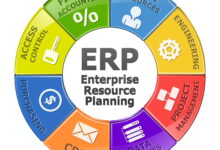
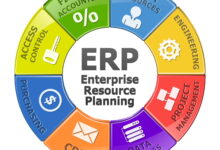
A Cloud ERP platform is a type of enterprise resource planning software that is hosted on remote servers and accessed through the internet. It offers a range of features to help businesses manage their operations, including accounting, project management, supply chain management, and more.
Popular Cloud ERP Platforms
- Oracle NetSuite
- SAP Business ByDesign
- Microsoft Dynamics 365
Benefits of Using a Cloud ERP Platform
- Scalability and flexibility
- Cost-effectiveness
- Real-time data access
- Improved security and data backup
Migrating Data to a Cloud ERP Platform
When migrating data from on-premises ERP systems to a Cloud ERP platform, businesses need to ensure data accuracy, plan for downtime, and train staff on the new system. This process may involve data cleansing, mapping, and validation to ensure a smooth transition.
Pricing Models of Cloud ERP Platforms
- Subscription-based pricing
- Per-user pricing
- Custom pricing based on features and modules
Setting Up User Permissions and Access Controls
Setting up user permissions and access controls within a Cloud ERP platform involves defining roles, assigning access levels, and monitoring user activities. A step-by-step guide includes creating user profiles, setting permissions for modules, and configuring security settings to ensure data integrity.
Implementation of Cloud ERP Platform
Implementing a Cloud ERP platform involves several key steps to ensure a smooth transition and successful integration within an organization.
Steps in Implementing a Cloud ERP Platform:
- Assessment and Planning: Conduct a thorough assessment of current business processes and requirements to determine the scope of the implementation.
- Selection of the Right Cloud ERP Provider: Choose a reliable and reputable Cloud ERP provider that aligns with the organization’s needs and goals.
- Customization and Configuration: Customize the Cloud ERP platform to match specific business processes and configure it according to the organization’s requirements.
- Data Migration: Transfer existing data from legacy systems to the Cloud ERP platform while ensuring data integrity and security.
- Training and Testing: Provide comprehensive training to employees on how to use the new system effectively and conduct rigorous testing to identify and resolve any issues.
- Go-Live and Support: Launch the Cloud ERP platform across the organization and provide ongoing support to address any issues or challenges that may arise.
Migrating Data to a Cloud ERP Platform:
- Assess Data Quality: Evaluate the quality and integrity of existing data to ensure a smooth migration process.
- Data Mapping: Map out the data fields from the legacy systems to the Cloud ERP platform to facilitate accurate data transfer.
- Data Cleansing: Cleanse and de-duplicate data to eliminate inconsistencies and errors before migrating it to the Cloud ERP platform.
- Data Validation: Validate the migrated data to ensure accuracy and consistency within the new system.
Challenges in Cloud ERP Implementation:
- Resistance to Change: Employees may resist adopting a new system, leading to challenges in training and user acceptance.
- Data Security Concerns: Organizations may have concerns about data security and privacy when migrating sensitive information to the cloud.
- Integration Issues: Integrating the Cloud ERP platform with existing systems and processes can be complex and may require additional resources.
- Customization Complexity: Customizing the Cloud ERP platform to meet specific business needs can be challenging and time-consuming.
Customization and Integration
Customizing a Cloud ERP platform is essential to tailor the system to meet specific business needs. This process involves configuring the software to align with unique workflows, data requirements, and reporting preferences of a particular organization.
Integrating a Cloud ERP platform with other software applications is crucial for seamless data flow and collaboration across different systems. This integration enables real-time information sharing, eliminates data silos, and enhances overall operational efficiency.
Customization of Cloud ERP Platform
Customizing a Cloud ERP platform typically involves:
- Adjusting workflows and processes to match the organization’s operations
- Modifying data fields and reports to capture specific information
- Creating custom dashboards for personalized data visualization
- Integrating third-party applications to extend functionality
Integration with Other Software Applications
Examples of common integrations with Cloud ERP platforms include:
- Integration with Customer Relationship Management (CRM) software to streamline sales and customer data
- Integration with Business Intelligence (BI) tools for advanced analytics and reporting
- Integration with e-commerce platforms for seamless order processing and inventory management
- Integration with Human Resources Management (HRM) systems for unified employee data management
Security Features in Cloud ERP
Cloud ERP platforms offer several key security features to protect data from unauthorized access and breaches. These features include:
Encryption for Data Security
Encryption plays a crucial role in securing information on Cloud ERP platforms. By converting data into a coded format, encryption ensures that only authorized users with the decryption key can access sensitive information.
Multi-factor Authentication for Enhanced Security
Multi-factor authentication adds an extra layer of security by requiring users to provide multiple forms of verification before accessing the Cloud ERP system. This significantly reduces the risk of unauthorized access and data breaches.
Compliance Regulations for Data Security
Cloud ERP platforms need to adhere to various compliance regulations such as GDPR, HIPAA, or PCI DSS to ensure data security and privacy. These regulations provide guidelines for handling sensitive data and protecting it from security threats.
Comparison of Security Measures between On-premise ERP and Cloud ERP
While on-premise ERP systems rely on physical security measures, Cloud ERP platforms offer enhanced security through data encryption, multi-factor authentication, and regular security updates. Cloud ERP systems provide a more robust and flexible approach to data security.
Risks of Data Breaches in Cloud ERP and Mitigation Strategies
Data breaches in Cloud ERP can expose sensitive information to cyber threats. To mitigate these risks, organizations should implement strong encryption protocols, conduct regular security audits, and train employees on best security practices.
Importance of Regular Security Audits and Updates
Regular security audits and updates are essential in maintaining a secure Cloud ERP environment. By identifying vulnerabilities and implementing necessary security patches, organizations can prevent potential data breaches and ensure the integrity of their data.
Scalability and Flexibility
Cloud ERP platforms offer businesses the scalability needed to accommodate growth without the hassle of investing in new infrastructure. The flexibility of these platforms allows for customization to meet specific business needs without requiring extensive coding knowledge.
Scaling Operations with Cloud ERP Platforms
- Businesses can easily scale their operations by adding more users, modules, or storage space as needed, without costly upgrades or downtime.
- Cloud ERP platforms like NetSuite and SAP Business ByDesign provide scalability through their cloud-based architecture, allowing businesses to adjust resources on-demand.
- By utilizing the scalability features of a Cloud ERP platform, businesses can expand their operations globally, enter new markets, and handle increased transaction volumes efficiently.
Customizing Reports in a Cloud ERP Platform
- To customize reports in a Cloud ERP platform without coding, users can utilize the built-in customization tools provided by the platform, such as drag-and-drop interfaces or template editors.
- Businesses can create custom reports by selecting the data fields they want to include, arranging them in the desired layout, and applying filters or calculations as needed.
- For example, in Oracle NetSuite, users can easily customize reports by accessing the Report Builder tool and selecting the relevant data sources and parameters to generate tailored reports.
Case Study: Company Scaling with Cloud ERP
- Company XYZ successfully scaled its operations using a Cloud ERP platform by migrating from a legacy on-premise system to SAP Business ByDesign.
- By leveraging the scalability and flexibility of SAP Business ByDesign, Company XYZ was able to streamline its processes, improve efficiency, and support rapid business growth.
- The company expanded its operations to new regions, added new product lines, and increased customer satisfaction by utilizing the advanced features of the Cloud ERP platform.
Cost Implications of Scaling Up ERP Systems
- Scaling up on-premise ERP systems can be costly due to the need for hardware upgrades, maintenance, and IT support, whereas Cloud ERP systems offer a more cost-effective and scalable solution.
- Businesses can save on initial investment and ongoing maintenance costs by opting for a Cloud ERP platform, which provides a pay-as-you-go pricing model based on usage and scalability.
- Cloud ERP systems also eliminate the need for large upfront capital expenditures, making them a more attractive option for businesses looking to scale up without breaking the bank.
Cost Considerations
Implementing and maintaining a Cloud ERP platform involves various costs that organizations need to consider. Let’s delve into the cost structure and comparisons with traditional on-premise ERP solutions, factors influencing costs, potential hidden costs, and the cost savings associated with Cloud ERP migration.
Cost Structure and Comparisons
- Cloud ERP platforms typically have lower initial setup costs compared to on-premise solutions, as they do not require expensive hardware installations.
- Ongoing maintenance expenses for Cloud ERP are often subscription-based, whereas on-premise solutions may incur higher maintenance costs for hardware upgrades and IT support.
- Scalability options in Cloud ERP allow organizations to pay for additional resources as needed, offering more flexibility compared to the fixed costs of on-premise systems.
Factors Influencing Costs
- Size and complexity of the organization’s operations can impact the overall cost of implementing and maintaining a Cloud ERP platform.
- Customization and integration requirements may add to the initial setup costs of a Cloud ERP solution.
- Data migration and training expenses should also be considered when calculating the total cost of adopting a Cloud ERP platform.
Hidden Costs and Cost Savings
- Hidden costs in Cloud ERP adoption may include fees for additional user licenses, data storage, and customization beyond the initial agreement.
- Organizations can expect cost savings from reduced IT infrastructure investments, lower maintenance expenses, and improved operational efficiency with Cloud ERP.
Cost Analysis Table
| Cloud ERP | On-Premise ERP | |
|---|---|---|
| Initial Setup Costs | Lower due to no hardware installations | Higher due to hardware and software purchases |
| Ongoing Maintenance Expenses | Subscription-based, potentially lower | Higher for hardware upgrades and support |
| Scalability Options | Pay for additional resources as needed | Fixed costs, limited scalability |
User Interface and User Experience
User interface design plays a crucial role in the overall user experience of Cloud ERP platforms. The layout, navigation, and interaction elements can greatly impact how users interact with the system and their overall productivity.
Ease of Use and Navigation
- The user interface of Cloud ERP platforms should be intuitive and easy to navigate, with clearly labeled menus and sections for different functions.
- Efficient layout design can help users quickly locate the information they need and perform tasks without any confusion.
- Intuitive navigation elements such as breadcrumbs and search bars can further enhance user experience by allowing users to easily backtrack or find specific data.
Personalization and Customization
- Cloud ERP platforms often provide personalized dashboards that allow users to customize their homepage with relevant widgets and metrics for quick access to important data.
- Customizable workflows enable users to tailor processes according to their specific requirements, streamlining operations and enhancing efficiency.
- Intuitive data visualization tools help users interpret complex data sets more easily, leading to better decision-making and improved productivity.
User-Friendly Features
- Features like drag-and-drop functionality make it simple for users to rearrange elements on the screen, customize layouts, and create personalized views.
- In-line editing allows users to make quick changes to data directly within the interface, eliminating the need to switch between multiple screens.
- Real-time collaboration tools enable team members to work together on tasks, share information, and communicate seamlessly within the platform.
Mobile Responsiveness
- Mobile responsiveness is crucial for ensuring a seamless user experience across different devices, allowing users to access the Cloud ERP platform on smartphones and tablets.
- Responsive design adapts the interface to various screen sizes, ensuring that users can perform tasks and access information on the go without any limitations.
- A well-optimized mobile interface enhances user productivity by providing flexibility and accessibility, regardless of the device being used.
Industry Applications
In today’s business landscape, Cloud ERP platforms are being utilized across various industries to streamline operations, improve efficiency, and drive growth. Let’s explore how different sectors leverage Cloud ERP solutions to meet their specific needs.
Manufacturing Sector
The manufacturing industry benefits greatly from Cloud ERP platforms by enhancing production planning, inventory management, and supply chain visibility. Case studies have shown how companies have achieved cost savings and improved productivity through the implementation of Cloud ERP systems tailored to their manufacturing processes.
Retail Industry
Retailers leverage Cloud ERP solutions to optimize inventory management, streamline sales processes, and enhance customer engagement. Industry-specific Cloud ERP platforms offer features like real-time data analytics and omnichannel integration, leading to improved decision-making and customer satisfaction.
Healthcare Sector
In the healthcare industry, Cloud ERP systems play a crucial role in managing patient records, billing, and regulatory compliance. By implementing industry-specific Cloud ERP solutions, healthcare organizations can ensure data security, streamline operations, and improve patient care delivery.
Financial Services
Financial institutions rely on Cloud ERP platforms to enhance financial reporting, compliance, and risk management. Cloud ERP solutions tailored for the financial services sector offer features like real-time data analysis, automated reporting, and scalability to meet the evolving needs of the industry.
Challenges and Cost-effectiveness
While Cloud ERP platforms offer numerous benefits, companies often face challenges during the implementation process, such as data migration and system integration issues. However, industry-specific Cloud ERP solutions can address these challenges effectively by providing tailored features and support.
When it comes to cost-effectiveness, Cloud ERP solutions vary across industries based on specific requirements and customization. Companies need to evaluate the total cost of ownership, including implementation, maintenance, and support, to determine the cost-effectiveness of Cloud ERP solutions in their industry.
Scalability and Growth
One of the key advantages of Cloud ERP platforms is their scalability to meet the growing demands of various sectors. Whether it’s expanding operations, adding new functionalities, or accommodating increased data volumes, Cloud ERP systems can scale efficiently to support business growth and innovation.
Overall, industry-specific Cloud ERP solutions offer tailored features, enhanced security, and scalability to meet the unique needs of different sectors, driving operational efficiency and competitive advantage.
Mobile Accessibility
Mobile accessibility is crucial in Cloud ERP platforms as it allows users to access important business data and processes remotely, enabling flexibility and efficiency in operations. With the increasing trend of remote work and the need for real-time access to information, mobile accessibility plays a key role in ensuring seamless operations.
Features for Mobile Access
- Responsive Design: Cloud ERP platforms are designed to be responsive, adapting to different screen sizes and devices, providing a user-friendly experience on mobile phones and tablets.
- Mobile Apps: Many Cloud ERP platforms offer mobile applications that allow users to access the system easily from their smartphones, providing a familiar interface and functionalities optimized for mobile use.
- Offline Access: Some Cloud ERP platforms offer offline access capabilities, allowing users to work on tasks even without an internet connection and syncing data once connectivity is restored.
Security Measures for Mobile Access
- Two-Factor Authentication: To enhance security, Cloud ERP platforms may require two-factor authentication for mobile access, adding an extra layer of protection to ensure only authorized users can log in.
- Encryption: Data transmitted between the Cloud ERP platform and mobile devices is often encrypted to prevent unauthorized access and protect sensitive information from interception.
- Remote Data Wipe: In case a mobile device is lost or stolen, Cloud ERP platforms may offer the ability to remotely wipe data from the device to prevent unauthorized access to business data.
Reporting and Analytics
In today’s competitive business landscape, having access to insightful reporting and analytics is crucial for making data-driven decisions and staying ahead of the curve. Cloud ERP platforms offer robust reporting capabilities that enable businesses to analyze data effectively and gain valuable insights.
Reporting Capabilities of Cloud ERP Platforms
- Cloud ERP platforms provide a wide range of standard reports that offer visibility into various aspects of the business, such as sales performance, inventory levels, financial health, and more.
- These platforms also allow users to create custom reports tailored to their specific needs, ensuring that they can track and analyze the metrics that matter most to their business.
- Reporting tools integrated into Cloud ERP systems often feature interactive dashboards, drill-down capabilities, and real-time data updates for a comprehensive view of the business operations.
Analytics Tools in Cloud ERP Platforms
- Analytics tools embedded within Cloud ERP platforms leverage advanced algorithms and machine learning capabilities to help businesses uncover patterns, trends, and correlations in their data.
- These tools enable companies to perform in-depth analysis, identify key performance indicators (KPIs), and predict future outcomes based on historical data.
- By utilizing analytics tools, businesses can optimize processes, improve decision-making, and drive growth by leveraging data-driven insights.
Setting Up Custom Reports in Cloud ERP Systems
- Setting up custom reports in Cloud ERP systems typically involves selecting the data parameters, defining the report layout, and configuring filters and criteria to generate the desired output.
- Users can choose from a variety of visualization options, such as charts, graphs, tables, and heat maps, to present the data in a visually appealing and easy-to-understand format.
- Custom reports can be scheduled for automated generation and distribution to stakeholders, ensuring timely access to critical business information.
Importance of Data Visualization in Cloud ERP Reporting
- Data visualization plays a crucial role in enhancing the understanding of reports generated by Cloud ERP platforms, as it helps users interpret complex data sets more effectively.
- Visual representations, such as charts and graphs, enable users to identify trends, outliers, and patterns at a glance, facilitating quicker and more informed decision-making.
- Interactive visualizations allow users to drill down into the data, explore different scenarios, and gain deeper insights into the underlying trends and relationships.
Predictive Analytics in Cloud ERP Systems
- Predictive analytics in Cloud ERP systems leverage historical data, statistical algorithms, and machine learning techniques to forecast future trends, behaviors, and outcomes.
- By analyzing patterns and correlations in the data, predictive analytics can help businesses anticipate demand, identify risks, and capitalize on opportunities proactively.
- Businesses can use predictive analytics to optimize inventory levels, streamline production processes, and enhance customer satisfaction by predicting their needs and preferences.
Comparison of Reporting Features in Different Cloud ERP Providers
- Leading Cloud ERP providers like SAP, Oracle, and Microsoft Dynamics offer a variety of reporting features, including standard reports, ad-hoc reporting, and customizable dashboards.
- Each provider has its strengths in terms of reporting capabilities, with some focusing more on financial reporting, while others excel in operational reporting or predictive analytics.
- Businesses should evaluate the reporting features of different Cloud ERP providers based on their specific requirements, industry vertical, and scalability needs to choose the platform that best aligns with their reporting needs.
Training and Support
Training and support are crucial aspects of utilizing a Cloud ERP platform effectively. Proper training programs and ongoing support can significantly impact user adoption and system success.
Training Programs
- Offer a variety of training options such as online tutorials, webinars, in-person workshops, and documentation to cater to different learning styles.
- Provide hands-on training with real-life scenarios to help users understand how to navigate the platform and perform tasks efficiently.
- Customize training programs based on the roles and responsibilities of different users within the organization to ensure relevant and targeted learning.
Ongoing Support and Maintenance
- Establish a dedicated support team to address user queries, troubleshoot issues, and provide timely assistance to ensure continuous system operation.
- Regularly update users on new features, upgrades, and best practices to optimize their use of the Cloud ERP platform.
- Encourage users to provide feedback and suggestions for improvements to enhance the platform’s functionality and user experience.
Optimizing Training and Support Services
- Implement a feedback mechanism to evaluate the effectiveness of training programs and support services, making necessary adjustments based on user input.
- Offer refresher courses and advanced training sessions for users to enhance their skills and knowledge of the platform over time.
- Create a knowledge base or FAQ section for users to access self-help resources and troubleshoot common issues independently.
Compliance and Regulations
In today’s business landscape, compliance with industry-specific regulations and standards is crucial for organizations to operate legally and ethically. Cloud ERP platforms play a vital role in helping businesses adhere to these compliance requirements while ensuring data privacy and security.
Adherence to Industry-Specific Regulations
Cloud ERP platforms are designed to be flexible and customizable, allowing businesses to configure their systems to comply with various industry-specific regulations. For example, in the healthcare sector, Cloud ERP platforms can be tailored to meet HIPAA (Health Insurance Portability and Accountability Act) regulations, ensuring the protection of sensitive patient data. Similarly, in the financial services industry, Cloud ERP systems can adhere to regulations such as GDPR (General Data Protection Regulation) to safeguard customer information.
Data Privacy and Security Compliance
Data privacy and security are paramount concerns for businesses operating in the digital age. Cloud ERP platforms offer robust security features such as encryption, multi-factor authentication, and regular data backups to protect sensitive information from unauthorized access or breaches. By hosting data on secure cloud servers, businesses can ensure compliance with data protection laws and regulations.
Features for Regulatory Compliance
– Role-based access control: Cloud ERP platforms allow businesses to restrict access to sensitive data based on employee roles and responsibilities, ensuring compliance with data privacy regulations.
– Audit trails: Cloud ERP systems maintain detailed audit trails that track user activities and system changes, enabling businesses to demonstrate compliance with regulatory requirements.
– Compliance reporting tools: Cloud ERP platforms offer built-in reporting tools that generate compliance reports and documentation, simplifying the process of regulatory audits and inspections.
Upgrades and Updates
When it comes to Cloud ERP platforms, keeping the system up-to-date with the latest upgrades and updates is crucial for optimal performance and security. Regular updates not only bring new features but also enhance the platform’s security measures, ensuring that your business data remains safe from potential threats.
Process of Upgrading and Updating
Upgrading a Cloud ERP platform to the latest version typically involves a systematic process to ensure a seamless transition. This process usually includes:
- Reviewing the release notes of the new version to understand the changes and improvements.
- Backing up the existing data to prevent any loss during the upgrade process.
- Scheduling a convenient time for the upgrade to minimize disruption to daily operations.
- Testing the new version in a controlled environment before deploying it to the live system.
- Training users on any new features or changes introduced in the upgraded version.
Benefits of Regular Updates
Regular updates offer several benefits to businesses using a Cloud ERP platform, including:
- Access to new features that enhance productivity and efficiency.
- Improved security measures to protect against evolving cyber threats.
- Enhanced performance and stability of the system.
- Compliance with industry regulations and standards.
Planning and Executing Seamless Upgrades
To plan and execute seamless upgrades on a Cloud ERP platform, businesses can follow these best practices:
- Establish a regular update schedule to ensure timely implementation of new versions.
- Communicate with stakeholders about the upcoming upgrades and their impact on daily operations.
- Create a detailed upgrade plan that includes testing, training, and rollback procedures if needed.
- Work closely with the ERP provider or IT team to address any issues that may arise during the upgrade process.
Data Migration and Storage
When transitioning to a Cloud ERP platform, one of the critical aspects to consider is the migration of data. This process involves moving existing data from legacy systems to the new cloud-based solution. It requires careful planning and execution to ensure a smooth transition without any data loss or corruption.
Considerations for Data Migration
- Assess the quality and structure of the existing data to determine compatibility with the Cloud ERP platform.
- Establish a clear migration strategy with defined timelines and milestones to track progress.
- Ensure data security during the migration process by implementing encryption and access controls.
- Perform thorough testing and validation of the migrated data to verify accuracy and integrity.
Storage Options in Cloud ERP
- Cloud ERP platforms offer various storage options such as public, private, or hybrid cloud environments.
- Businesses can choose between on-premises storage, cloud storage, or a combination of both based on their requirements.
- Scalable storage solutions allow businesses to adjust storage capacity according to their changing needs.
- Integration with third-party storage providers can provide additional flexibility and cost-effectiveness.
Best Practices for Data Management and Storage
- Regularly backup data to prevent loss in case of system failures or cyber attacks.
- Implement data encryption and access controls to protect sensitive information from unauthorized access.
- Establish data retention policies to manage storage costs and compliance with regulations.
- Monitor storage usage and performance to optimize resources and ensure efficient data management.
Future Trends in Cloud ERP
The future of Cloud ERP platforms is being shaped by emerging technologies such as blockchain, Internet of Things (IoT), artificial intelligence (AI), and machine learning. These advancements are revolutionizing how businesses operate and manage their resources efficiently. Let’s delve into the key trends that are driving the evolution of Cloud ERP systems.
Blockchain and IoT Integration
- Blockchain technology ensures secure and transparent transactions within the Cloud ERP system, enhancing data integrity and reducing the risk of fraud.
- Integration of IoT devices allows real-time data collection and analysis, enabling proactive decision-making and optimizing operational processes.
- The synergy between blockchain and IoT enhances supply chain management, inventory tracking, and overall operational efficiency in Cloud ERP platforms.
AI and Machine Learning Optimization
- AI-driven automation streamlines repetitive tasks, improves accuracy, and enhances productivity by freeing up human resources for more strategic activities.
- Machine learning algorithms provide predictive analytics, offering valuable insights for informed decision-making and proactive problem-solving in Cloud ERP operations.
- AI-powered chatbots and virtual assistants enhance user experience, providing personalized support and facilitating seamless interactions within the Cloud ERP platform.
Evolution of Cloud ERP Platforms
- Cloud ERP systems are evolving to support real-time data processing, enabling instant access to critical information for timely decision-making and agile business operations.
- Advanced security measures such as biometric authentication and encryption protocols are being integrated to safeguard sensitive data and protect against cyber threats in Cloud ERP environments.
- Customizable modules tailored to specific industry requirements are becoming prevalent, allowing businesses to adapt Cloud ERP solutions to their unique needs and workflows effectively.
Summary
In conclusion, Cloud ERP platforms stand as a beacon of innovation and transformation in the realm of business management. By embracing the power of cloud technology, organizations can streamline their operations, boost productivity, and adapt to evolving market dynamics with ease. As we look towards the future, the continued evolution of Cloud ERP systems promises to revolutionize the way businesses operate, paving the way for a more efficient and interconnected business landscape.
