ERP for retail brings a comprehensive solution to streamline operations and drive success in the competitive retail landscape. From inventory management to customer experience, ERP plays a crucial role in optimizing retail processes.
Introduction to ERP for Retail
In the retail industry, ERP (Enterprise Resource Planning) systems play a crucial role in streamlining operations, improving efficiency, and enhancing overall performance.
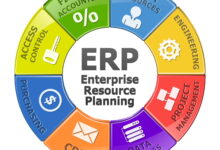

Implementing an ERP system in retail operations offers numerous benefits that can significantly impact the business’s success and growth.
Benefits of Implementing an ERP System for Retail Operations
- Improved Inventory Management: ERP systems provide real-time visibility into inventory levels, helping retailers optimize stock levels and reduce carrying costs.
- Enhanced Customer Service: With access to customer data and insights, retailers can personalize interactions, anticipate customer needs, and provide better service.
- Streamlined Processes: ERP systems automate manual tasks, streamline workflows, and eliminate data silos, leading to increased operational efficiency.
- Data-driven Decision Making: By centralizing data from various departments, retailers can make informed decisions based on accurate and up-to-date information.
- Cost Savings: ERP systems help reduce operational costs, minimize errors, and eliminate redundant processes, leading to overall cost savings for the business.
Challenges Retailers Face Without an ERP Solution
- Lack of Integration: Without an ERP system, retailers often struggle with disparate systems that do not communicate effectively, leading to data inconsistencies and inefficiencies.
- Poor Visibility: Retailers may face challenges in gaining real-time insights into their operations, resulting in inventory imbalances, stockouts, and missed sales opportunities.
- Inefficient Processes: Manual processes and fragmented systems can hinder operational efficiency, increase the likelihood of errors, and slow down decision-making processes.
- Data Security Risks: Retailers without an ERP solution may be more vulnerable to data breaches, compliance issues, and other security threats, putting sensitive information at risk.
Key Features of ERP for Retail
ERP systems tailored for the retail industry come with a set of key features that are essential for streamlining operations, improving efficiency, and enhancing customer satisfaction.
Inventory Management
Effective inventory management is crucial for retailers to ensure optimal stock levels, prevent overstocking or stockouts, and minimize carrying costs. ERP systems for retail offer features such as real-time inventory tracking, automated replenishment, demand forecasting, and integration with suppliers for seamless inventory management.
Point of Sale Integration
Integration with point of sale (POS) systems is a critical feature of ERP for retail, enabling retailers to synchronize sales data, track transactions in real-time, and manage customer payments efficiently. This integration helps in generating accurate sales reports, analyzing customer buying patterns, and improving overall sales performance.
Customer Relationship Management (CRM)
Retail-specific ERP systems often include CRM functionalities to help retailers manage customer relationships effectively. CRM features allow retailers to track customer interactions, personalize marketing campaigns, offer loyalty programs, and provide exceptional customer service, ultimately enhancing customer satisfaction and loyalty.
Supply Chain Management
ERP systems for retail also offer robust supply chain management features that allow retailers to optimize procurement processes, manage vendor relationships, track shipments, and ensure timely delivery of goods. Integration with supply chain partners enables retailers to streamline operations, reduce costs, and improve overall supply chain efficiency.
Omni-Channel Support
With the rise of omni-channel retailing, ERP systems for retail now come equipped with features that support seamless integration across multiple sales channels, including brick-and-mortar stores, e-commerce platforms, mobile apps, and social media. This omni-channel support enables retailers to provide a consistent shopping experience to customers across all touchpoints.
Implementation Process of ERP in Retail
Implementing an ERP system in a retail business involves a series of steps to ensure a smooth transition and successful integration of the software.
Steps Involved in Implementing ERP System for Retail
- Assessment and Planning: Evaluate the current processes and systems, define goals, and create a detailed implementation plan.
- Selection of ERP Vendor: Research and choose a vendor that aligns with the business requirements and offers the necessary features for retail operations.
- Customization and Configuration: Tailor the ERP system to meet the specific needs of the retail business, including setting up modules and workflows.
- Data Migration: Transfer existing data to the new ERP system accurately and securely to ensure continuity of operations.
- Training and Testing: Provide comprehensive training to employees on using the ERP system effectively and conduct thorough testing to identify and resolve any issues.
- Go-Live and Support: Launch the ERP system in the live environment, provide ongoing support, and address any post-implementation challenges.
Role of Training and Change Management during ERP Implementation
Training plays a crucial role in ensuring a successful ERP implementation in a retail setting. Employees need to be well-versed in using the new system to maximize its benefits. Change management is also essential to prepare staff for the transition, address resistance, and facilitate a smooth adoption of the ERP system.
Best Practices for a Successful ERP Rollout in Retail
- Engage Stakeholders: Involve key stakeholders throughout the implementation process to gain buy-in and support.
- Communicate Effectively: Keep employees informed about the changes, benefits, and timeline of the ERP rollout to manage expectations and reduce uncertainty.
- Monitor Progress: Track the implementation progress, identify potential risks, and take proactive measures to address any issues promptly.
- Continuous Improvement: Regularly review and optimize the ERP system to adapt to evolving business needs and drive continuous improvement.
- Evaluate Performance: Measure the impact of the ERP system on key performance indicators and make adjustments as needed to enhance efficiency and productivity.
Integration of ERP with E-commerce Platforms
Integrating ERP systems with e-commerce platforms is crucial for modern retail operations as it streamlines processes and enhances efficiency. By connecting these two systems, businesses can achieve seamless operations and provide a better overall customer experience.
Advantages of Linking ERP Software with Online Retail Channels
- Real-time Data Sync: Integration allows for real-time synchronization of inventory, orders, and customer data between ERP and e-commerce platforms, ensuring accurate and up-to-date information.
- Improved Efficiency: By automating tasks such as order processing, inventory management, and shipping, businesses can reduce manual errors and increase productivity.
- Enhanced Customer Experience: Integration enables personalized customer interactions, such as targeted marketing campaigns, tailored recommendations, and seamless order tracking, leading to higher customer satisfaction.
Examples of Improved Customer Experiences through ERP-E-commerce Integration
- Personalized Recommendations: ERP integration with e-commerce platforms allows businesses to analyze customer data and offer personalized product recommendations based on past purchases and preferences.
- Order Tracking: Customers can track their orders in real-time, receive notifications on order status updates, and have a seamless shopping experience from purchase to delivery.
- Inventory Availability: With integrated systems, customers can see accurate inventory levels on the e-commerce website, reducing instances of out-of-stock items and ensuring a smoother shopping experience.
Data Analytics and Reporting in Retail ERP
In today’s competitive retail landscape, data analytics and reporting play a crucial role in helping retailers make informed decisions and stay ahead of market trends. ERP systems offer powerful tools to analyze sales data, track consumer behavior, and identify patterns that can drive business growth.
Real-Time Reporting Capabilities
Real-time reporting capabilities in retail ERP systems allow retailers to access up-to-the-minute data on sales, inventory levels, and customer trends. This enables quick decision-making, timely adjustments to pricing strategies, and immediate responses to changing market conditions.
- Instant access to sales performance metrics
- Monitoring of inventory levels in real-time
- Identification of consumer trends as they happen
Data-Driven Decision-Making
Data analytics from ERP systems can provide valuable insights that drive decision-making in retail. By analyzing historic sales data, retailers can forecast future demand, optimize inventory levels, and tailor marketing strategies to target specific customer segments effectively.
- Identifying best-selling products and optimizing inventory levels
- Personalizing marketing campaigns based on customer behavior
- Forecasting future sales trends to align supply chain strategies
Predictive Analytics for Forecasting
Predictive analytics tools integrated into retail ERP systems leverage machine learning algorithms to forecast future trends and demands accurately. By analyzing past data patterns, retailers can anticipate market shifts, stock products accordingly, and proactively meet customer demands.
- Forecasting seasonal demand fluctuations
- Anticipating product trends and consumer preferences
- Optimizing pricing strategies based on predictive insights
Customized Dashboards for KPI Visualization
Setting up customized dashboards in a retail ERP system allows retailers to visualize key performance indicators (KPIs) in a clear and concise manner. By customizing dashboards to display relevant metrics, retailers can track performance, identify areas for improvement, and make data-driven decisions effectively.
- Selection of relevant KPIs for display on dashboards
- Visualization of sales performance, inventory levels, and customer metrics
- Customization of dashboards for different user roles and departments
Automated Alerts for Proactive Decision-Making
Creating automated alerts based on predefined thresholds in a retail ERP system enables proactive decision-making and timely interventions. By setting up alerts for inventory levels, sales targets, or pricing changes, retailers can stay informed and take immediate action to address any issues that may arise.
- Setting up alerts for low inventory levels to prevent stockouts
- Receiving notifications for sales performance deviations from targets
- Automating alerts for pricing changes based on competitor analysis
Integration of Machine Learning Algorithms
The integration of machine learning algorithms within ERP systems enhances data analysis capabilities and provides actionable insights for retailers. By leveraging advanced algorithms, retailers can uncover hidden patterns in data, predict customer behavior, and optimize business processes for improved efficiency and profitability.
- Utilizing machine learning for demand forecasting and inventory optimization
- Implementing recommendation engines for personalized customer experiences
- Enhancing fraud detection and risk management through predictive analytics
Customization Options in Retail ERP
Customization in Retail ERP systems allows businesses to tailor the software to meet their specific needs and requirements. This flexibility is essential for optimizing operations and improving overall efficiency in retail settings.
Tailoring ERP Modules for Retail Operations
- Retailers can customize ERP modules such as inventory management, sales tracking, and customer relationship management to align with their unique processes and workflows.
- For example, a clothing retailer may choose to customize the inventory module to categorize products based on seasonality or trends, enabling better stock management.
- Another example is customizing the sales tracking module to generate reports specific to different product categories or store locations, providing valuable insights for decision-making.
Challenges of Over-Customization in Retail ERP
- While customization offers advantages, over-customization can lead to complexity and increased costs during ERP implementation.
- Excessive customization may result in longer implementation times, as each tailored feature needs to be tested and integrated properly.
- Moreover, over-customization can make system upgrades and maintenance challenging, as customized features may not easily align with new software versions.
Scalability and Growth with ERP in Retail
ERP systems play a crucial role in supporting the scalability of retail businesses by providing a centralized platform for managing various business processes efficiently. Let’s delve deeper into how ERP facilitates growth and expansion for retail chains.
Adapting to Changing Business Requirements
ERP systems are designed to adapt to changing business requirements in the retail sector. By allowing customization and flexibility, ERP software can accommodate new product lines, store locations, or operational changes seamlessly. This adaptability ensures that retail businesses can scale up or down as needed without disrupting their operations.
- ERP systems can easily integrate with new technologies and platforms, enabling retail chains to expand their online presence or adopt innovative sales channels.
- By providing real-time data and insights, ERP software helps retailers make informed decisions about inventory management, pricing strategies, and customer engagement, supporting growth initiatives.
- Through automated processes and streamlined workflows, ERP systems enhance operational efficiency, allowing retail businesses to handle increased transaction volumes and customer demands effectively.
Vendor Selection for Retail ERP
When choosing an ERP vendor for a retail business, there are several important factors to consider. The vendor’s industry experience, reputation, support and maintenance services, scalability options, integration capabilities, and cost-effectiveness are crucial aspects to evaluate.
Comparison of ERP Providers for Retail
- Vendor A: Known for its extensive experience in serving the retail industry, offering robust solutions tailored to retail businesses.
- Vendor B: Specializes in providing scalable ERP systems with seamless integration capabilities for retail software and hardware.
- Vendor C: Recognized for its exceptional customer support and maintenance services, ensuring the smooth operation of ERP systems in retail settings.
Vendor Support and Maintenance in Retail ERP Partnerships
Vendor support and maintenance play a crucial role in ensuring the continuous functionality and optimization of ERP systems in retail businesses.
- Regular updates, troubleshooting assistance, and training programs are essential components of effective vendor support.
- Proactive maintenance services help prevent system downtime and minimize disruptions in retail operations.
Scalability Options Offered by ERP Vendors
- ERP vendors should provide scalable solutions that can grow with the retail business, accommodating increasing data volumes and user requirements.
- Flexible licensing models and modular system designs enable retailers to expand their ERP capabilities as needed.
Integration Capabilities of ERP Systems with Retail Software and Hardware
The seamless integration of ERP systems with existing retail software and hardware is essential for optimizing operational efficiency and data accuracy.
- API-based integrations, data mapping tools, and middleware solutions facilitate the connection between ERP systems and retail applications.
- Real-time data synchronization and automated workflows streamline processes and enhance decision-making in retail environments.
Cost-Benefit Analysis in Selecting an ERP Vendor for Retail Business
- Conducting a cost-benefit analysis helps retailers assess the long-term value and ROI of investing in an ERP system from a specific vendor.
- Factors such as implementation costs, maintenance fees, training expenses, and potential business growth should be considered in the analysis.
Comparison Table of Top ERP Vendors for Retail Businesses
| Vendor | Pricing Models | Customization Options | Implementation Timelines |
|---|---|---|---|
| Vendor A | Subscription-based | Extensive customization | 12-16 weeks |
| Vendor B | Perpetual license | Modular customization | 8-10 weeks |
| Vendor C | Usage-based pricing | Limited customization | 14-18 weeks |
Cost Considerations of Implementing ERP in Retail
Implementing an ERP system in retail comes with various costs that need to be carefully considered to ensure a successful deployment while maximizing return on investment.
Upfront and Ongoing Costs
- Upfront costs typically include software licensing fees, hardware procurement, implementation costs, training expenses, and customization fees.
- Ongoing costs may involve maintenance, support, upgrades, and subscription fees for cloud-based solutions.
Return on Investment (ROI)
- Calculate the potential ROI by analyzing the efficiency gains, cost savings, and revenue growth enabled by the ERP system.
- ERP systems can lead to improved inventory management, enhanced customer service, streamlined operations, and better decision-making.
Tips for Cost-Effective Implementation
- Opt for phased implementation to spread out costs and minimize disruptions.
- Train internal staff to reduce reliance on external consultants for ongoing support.
- Consider open-source ERP solutions for cost savings on licensing fees.
On-Premise vs. Cloud-Based Costs
- On-premise systems often have higher upfront costs due to hardware and infrastructure requirements, while cloud-based solutions offer more predictable subscription fees.
- Cloud-based ERP systems can also reduce IT maintenance and support costs over time.
Total Cost of Ownership (TCO)
- Factors influencing TCO include licensing fees, implementation costs, maintenance expenses, training, and infrastructure upgrades.
- Consider long-term costs beyond the initial implementation to get a comprehensive view of the TCO.
Budget Allocation and Cost-Saving Strategies
- Allocate budget based on critical needs such as software licensing, training, and customization, while being mindful of ongoing costs.
- Implement cost-saving strategies like leveraging vendor discounts, negotiating service contracts, and optimizing processes to reduce expenses.
Cost-Benefit Analysis Importance
- Conduct a thorough cost-benefit analysis to assess the financial impact of implementing an ERP system in retail.
- Consider both quantitative and qualitative benefits to make an informed decision on the value proposition of the ERP system.
Security and Compliance in Retail ERP
Data security and compliance considerations play a crucial role in retail ERP systems, ensuring the protection of sensitive information and adherence to industry regulations.
Importance of Data Security and Compliance
- Protecting customer data: Retail ERP systems store vast amounts of customer information, including personal and payment details, making data security essential to maintain trust.
- Legal requirements: Compliance with industry regulations such as GDPR, PCI DSS, and HIPAA is necessary to avoid penalties and maintain the reputation of the retail business.
- Preventing cyber threats: Implementing robust security measures helps in safeguarding against cyberattacks, data breaches, and unauthorized access.
Security Measures in Retail ERP
- Role-based access control: Limiting access to sensitive data based on user roles and permissions to prevent unauthorized viewing or modification.
- Encryption techniques: Utilizing encryption algorithms to secure data both in transit and at rest within the ERP system.
- Regular security audits: Conducting routine assessments to identify vulnerabilities, update security protocols, and ensure compliance with standards.
Comparison: On-Premises vs. Cloud-Based ERP
| On-Premises ERP | Cloud-Based ERP |
|---|---|
| Requires in-house IT infrastructure and dedicated security measures. | Relies on the cloud provider’s security protocols and updates. |
| Offers more control over data security but requires higher maintenance costs. | Provides scalability, automatic updates, and disaster recovery options. |
| Suitable for organizations with strict data governance requirements. | Preferred by businesses looking for flexibility and cost-effectiveness. |
Encryption Techniques in Retail ERP
-
End-to-end encryption:
Securing data transmission from the source to the destination to prevent interception or tampering.
-
Data masking:
Concealing sensitive information within the ERP system to limit access based on user permissions.
-
Tokenization:
Replacing sensitive data with unique tokens to prevent exposure in case of a security breach.
Regular Security Audits for Retail ERP Systems
- Define security protocols and standards for the ERP system.
- Conduct vulnerability assessments and penetration testing regularly.
- Update security measures based on audit findings and industry best practices.
Mobile Accessibility and ERP in Retail
Mobile accessibility plays a crucial role in enhancing the efficiency and effectiveness of ERP systems in retail environments. With the increasing reliance on mobile devices, integrating ERP solutions with mobile applications has become essential for businesses to stay competitive and agile in the rapidly evolving retail landscape.
Impact of Mobile Accessibility on ERP Systems in Retail
- Mobile accessibility allows real-time access to critical business data, enabling faster decision-making and improved communication among retail staff.
- It enhances flexibility and convenience by enabling employees to access ERP functionalities anytime, anywhere, without being tied to a desktop.
- Mobile ERP applications facilitate seamless collaboration and coordination among different departments, leading to enhanced productivity and operational efficiency.
Benefits of Mobile ERP Applications for Frontline Retail Staff
- Empowers frontline staff to access inventory information, customer data, and sales reports on the go, enabling them to provide personalized customer service and make informed decisions.
- Streamlines daily tasks such as order processing, inventory management, and customer interactions, leading to improved operational efficiency and customer satisfaction.
- Enables real-time updates on product availability, pricing, and promotions, helping frontline staff deliver a seamless shopping experience to customers.
Role of Mobile ERP Solutions in Inventory Management and Customer Service
- Mobile ERP solutions enhance inventory visibility and accuracy by enabling real-time tracking of stock levels, replenishment needs, and order fulfillment status.
- Improves customer service by providing frontline staff with instant access to customer preferences, purchase history, and feedback, enabling personalized interactions and timely resolution of issues.
- Facilitates omnichannel retailing by integrating online and offline sales channels, ensuring a consistent shopping experience for customers across all touchpoints.
Comparison between Traditional Desktop ERP Systems and Mobile ERP Systems
- Usability: Mobile ERP systems offer a more intuitive and user-friendly interface compared to traditional desktop systems, enhancing adoption and user satisfaction.
- Efficiency: Mobile ERP applications enable faster data entry, real-time updates, and instant communication, leading to quicker decision-making and improved operational efficiency.
- Accessibility: Mobile ERP systems provide on-the-go access to critical business information, empowering employees to stay connected and productive outside the office.
Setting Up and Utilizing a Mobile ERP Application for Retail Operations
- Choose a mobile ERP solution that aligns with your business requirements and integrates seamlessly with your existing systems.
- Train employees on how to use the mobile ERP application effectively, emphasizing the importance of data security and best practices for mobile usage.
- Customize the mobile ERP application to suit your specific retail processes and workflows, ensuring a tailored solution that meets your business needs.
Securing Sensitive Data with Mobile ERP Systems in Retail
- Implement robust security measures such as encryption, user authentication, and data access controls to safeguard sensitive information stored and accessed through mobile ERP applications.
- Regularly update the mobile ERP application and device software to patch vulnerabilities and protect against security threats, ensuring data integrity and confidentiality.
- Enforce strict data handling policies and guidelines for employees using mobile ERP systems, emphasizing the importance of data privacy and compliance with industry regulations.
Successful Implementation of Mobile ERP Solutions in Retail Businesses: Case Studies
- Case Study 1: A fashion retailer implemented a mobile ERP application to enable real-time inventory tracking and order management, resulting in a 20% reduction in stockouts and a 15% increase in sales.
- Case Study 2: A specialty store integrated a mobile ERP solution to streamline customer interactions and improve staff communication, leading to a 30% decrease in customer complaints and a 25% increase in customer loyalty.
- Case Study 3: A grocery chain adopted a mobile ERP system to enhance product visibility and pricing accuracy, resulting in a 10% decrease in pricing errors and a 5% increase in profit margins.
Customer Relationship Management (CRM) Integration in Retail ERP
Customer Relationship Management (CRM) Integration in Retail ERP plays a crucial role in enhancing customer engagement and loyalty within the retail sector. By combining CRM functionalities within ERP systems, businesses can streamline their customer interactions and improve overall customer satisfaction.
Significance of CRM Integration in Retail ERP
- Centralized Customer Data: Integrating CRM in ERP allows businesses to store all customer information in one place, enabling easy access for personalized marketing and customer service.
- Improved Customer Service: CRM features in ERP help retailers track customer interactions, preferences, and purchase history, leading to better customer service and support.
- Enhanced Marketing Campaigns: By leveraging CRM data within ERP, retailers can create targeted marketing campaigns based on customer behavior and preferences.
- Increased Customer Loyalty: With CRM integration, retailers can build stronger relationships with customers through personalized communication and tailored promotions.
Successful CRM Integration Strategies in Retail ERP
-
Omni-Channel Customer Engagement:
Retailers can integrate CRM with ERP to provide a seamless shopping experience across multiple channels, such as in-store, online, and mobile.
-
Personalized Recommendations:
By analyzing CRM data through ERP, retailers can offer personalized product recommendations to customers based on their purchase history and preferences.
-
Feedback Management:
CRM integration in ERP allows retailers to gather customer feedback and respond promptly to improve products and services.
-
Reward Programs:
Retailers can use CRM features in ERP to implement customer reward programs and loyalty schemes to incentivize repeat purchases.
Case Studies of Successful ERP Implementations in Retail
In the retail sector, the implementation of ERP systems has proven to be a game-changer for many businesses. Let’s delve into some real-world examples of successful ERP adoption in retail and the impact it has had on efficiency and profitability.
Benefits of ERP Systems in Retail
- One notable case study is that of a large department store chain that implemented an ERP system to streamline its operations. By centralizing data and automating processes, the chain saw a significant increase in productivity and a reduction in operational costs.
- Another example is a specialty retail store that utilized ERP to improve inventory management and supply chain visibility. This resulted in better stock control, reduced stockouts, and improved customer satisfaction.
Challenges Faced During ERP Implementation in Retail
- During the implementation phase, these businesses encountered challenges such as data migration issues, resistance from employees to adopt new processes, and the need for extensive training.
- Integration of different ERP modules posed another challenge, requiring careful planning and customization to ensure seamless operation across various departments.
Role of Data Migration in Successful ERP Integration
- Data migration is crucial for successful ERP integration in retail as it involves transferring data from legacy systems to the new ERP platform. This process requires precision, data cleansing, and validation to ensure accurate information for decision-making.
- Effective data migration ensures that historical sales data, customer information, and inventory records are seamlessly transferred, enabling the business to leverage historical insights for future growth.
Scalability of ERP Solutions in Retail
- ERP solutions in retail are designed to be scalable, allowing businesses to expand their operations, add new locations, and incorporate additional features as needed. This scalability aligns with the growth trajectory of retail businesses, enabling them to adapt to changing market demands.
- By choosing an ERP system that can grow with the business, retailers can future-proof their operations and ensure that their technology infrastructure can support their evolving needs.
Future Trends and Innovations in Retail ERP
The landscape of retail ERP systems is constantly evolving, driven by emerging technologies and innovative solutions that aim to streamline operations and enhance customer experiences. Let’s take a closer look at some of the key trends shaping the future of ERP in the retail sector.
Emerging Technologies in Retail ERP
- Artificial Intelligence (AI): AI is revolutionizing retail ERP by enabling predictive analytics, personalized recommendations, and automated decision-making processes.
- Internet of Things (IoT): IoT devices are being integrated with ERP systems to track inventory in real-time, optimize supply chain management, and enhance customer engagement through connected devices.
- Blockchain Technology: Blockchain is enhancing transparency and security in retail ERP by providing a decentralized and immutable ledger for tracking transactions, ensuring data integrity, and enabling seamless collaboration among stakeholders.
Advancements in Retail ERP Technology
- Data Analytics and Machine Learning: The use of advanced analytics and machine learning algorithms in retail ERP systems is enabling retailers to gain valuable insights into consumer behavior, optimize inventory management, and forecast demand more accurately.
- Cloud Computing: Cloud-based ERP solutions are gaining popularity in the retail industry due to their scalability, flexibility, and cost-effectiveness. Cloud computing allows retailers to access their ERP systems from anywhere, at any time, facilitating real-time decision-making and collaboration.
- Innovative Features and Functionalities: The latest retail ERP systems are incorporating innovative features such as omnichannel integration, mobile accessibility, and automation capabilities to streamline operations, improve customer service, and drive business growth.
Comparison of Traditional and Innovative Retail ERP Systems
- Traditional ERP systems: Typically characterized by on-premise installations, lengthy implementation processes, and rigid structures that may not easily adapt to changing business needs.
- Innovative ERP solutions: Embrace cloud-based architecture, AI-driven functionalities, and modular design to offer greater flexibility, scalability, and responsiveness to market dynamics.
- Future-proofing Retail Operations: Retailers are increasingly turning to next-generation ERP systems that can evolve with their business, integrate seamlessly with emerging technologies, and drive continuous innovation and growth.
Outcome Summary
In conclusion, ERP for retail offers a transformative approach to business management, paving the way for enhanced efficiency and growth in the retail sector. By integrating robust ERP systems, retailers can navigate challenges, capitalize on opportunities, and stay ahead in the dynamic market.
