Open source ERP software offers a world of possibilities for businesses seeking flexibility and control over their systems. Explore the key features, implementation strategies, and customization options in this comprehensive guide.
Discover how open source ERP can revolutionize your business operations and optimize efficiency like never before.

Definition of Open Source ERP
Open Source ERP software refers to enterprise resource planning systems that are developed and distributed under an open-source license. Unlike proprietary ERP systems, open-source ERP solutions allow users to access the source code, modify it, and distribute it freely.
Advantages of Using Open Source ERP
- Cost-Effective: Open source ERP systems typically have lower upfront costs compared to proprietary solutions, making them more accessible to small and medium-sized businesses.
- Customization: With access to the source code, organizations can tailor the ERP system to meet their specific needs and requirements.
- Community Support: Open-source ERP systems often have a strong community of developers and users who provide support, updates, and extensions.
Disadvantages of Using Open Source ERP
- Integration Challenges: Open source ERP systems may face integration challenges with other third-party software or legacy systems.
- Limited Features: Some open-source ERP systems may lack advanced features and functionalities compared to proprietary solutions.
- Support and Maintenance: Organizations may need to rely on internal resources or third-party vendors for support and maintenance.
Popular Open Source ERP Systems
| ERP System | Description |
|---|---|
| Odoo | Odoo is a comprehensive open-source ERP system that offers a range of applications for different business processes. |
| ERPNext | ERPNext is a cloud-based open-source ERP system known for its user-friendly interface and extensive features. |
| Dolibarr | Dolibarr is a modular open-source ERP and CRM system designed for small and medium-sized enterprises. |
Features of Open Source ERP
Open Source ERP software offers a wide range of features that help businesses streamline their operations, manage resources efficiently, and make data-driven decisions. Let’s explore some key features commonly found in open source ERP systems and compare them with proprietary ERP solutions.
Customizability
Open source ERP systems are highly customizable, allowing businesses to tailor the software to meet their specific needs. This level of customization is not always possible with proprietary ERP solutions, which are often limited in terms of flexibility. With open source ERP platforms, companies can modify the software to align with their unique processes and workflows, ensuring a better fit for their business operations.
Scalability
Open source ERP systems are known for their scalability, capable of growing with the business as it expands. This scalability is essential for businesses experiencing rapid growth or changes in their operations. In contrast, proprietary ERP solutions may have limitations in terms of scalability, potentially leading to the need for costly upgrades or replacements as the business evolves.
Cost-effectiveness
One of the major advantages of open source ERP software is its cost-effectiveness. Unlike proprietary ERP solutions that often come with hefty licensing fees and ongoing maintenance costs, open source ERP systems are typically free to use, with businesses only needing to invest in customization, implementation, and support services. This cost-effective nature makes open source ERP platforms a popular choice for small and medium-sized enterprises looking to optimize their operations without breaking the bank.
Community Support
Open source ERP systems benefit from a vibrant community of developers and users who contribute to the software’s development and provide support through forums, online resources, and documentation. This community support is invaluable for businesses using open source ERP solutions, as it ensures timely updates, bug fixes, and access to a wealth of knowledge and expertise. In contrast, proprietary ERP solutions may lack the same level of community support, potentially leaving businesses stranded without adequate assistance when issues arise.
Implementation of Open Source ERP
Implementing an open source ERP system in an organization involves a series of steps to ensure a successful deployment. It is essential to understand the challenges and best practices associated with the implementation process to optimize the use of open source ERP solutions.
Steps for Implementing Open Source ERP
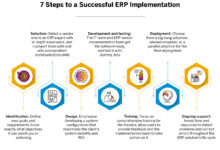
- Assessment of Business Needs: Conduct a thorough analysis to identify the specific requirements and objectives that the ERP system needs to fulfill.
- Selection of Suitable ERP Software: Choose an open source ERP solution that aligns with the organization’s needs and budget constraints.
- Customization and Configuration: Tailor the ERP software to meet the unique processes and workflows of the organization through customization and configuration.
- Data Migration: Transfer existing data from legacy systems to the new ERP software while ensuring data integrity and accuracy.
- User Training: Provide comprehensive training to employees on how to use the ERP system effectively to maximize its benefits.
- Testing and Validation: Conduct rigorous testing to validate the functionality and performance of the ERP system before full deployment.
- Go-Live and Support: Roll out the ERP system gradually across different departments while providing continuous support and monitoring for any issues that may arise.
Challenges and Best Practices for Successful Deployment
- Challenges: Overcoming resistance to change, ensuring data security and privacy, managing integration with other systems, and maintaining system performance are common challenges faced during ERP implementation.
- Best Practices: Engage stakeholders early in the process, establish clear communication channels, prioritize data quality and consistency, conduct regular system audits, and provide ongoing training and support to users.
Tips for Optimizing Implementation Process
- Set realistic timelines and milestones to track progress effectively.
- Allocate resources efficiently and involve key stakeholders throughout the implementation process.
- Monitor and evaluate the ERP system’s performance regularly to identify areas for improvement.
- Document processes and procedures to ensure continuity and facilitate future upgrades or modifications.
Customization in Open Source ERP
Customization plays a crucial role in maximizing the benefits of open source ERP systems. Organizations can tailor the software to meet specific business needs, ultimately leading to improved efficiency and productivity. Let’s explore the level of customization options available in open source ERP platforms and compare popular options in the market.
Level of Customization Options
- Open source ERP platforms offer a high level of customization, allowing users to modify various aspects of the software to suit their unique requirements.
- Users can customize modules, workflows, reports, dashboards, and user interfaces to align with their specific business processes.
- Customization options may include adding new functionalities, integrating third-party applications, and creating personalized workflows.
Comparison of Popular Open Source ERP Platforms
| ERP Platform | Customization Features | Impact on Business Operations |
|---|---|---|
| Odoo | Drag-and-drop interface customization, module creation, and third-party app integration. | Improved user experience, streamlined workflows, and enhanced data visibility. |
| ERPNext | Custom script writing, form customization, and role-based permissions. | Increased system flexibility, tailored reporting, and enhanced security controls. |
| Dolibarr | Customizable dashboards, workflow automation, and plugin integration. | Efficient task management, personalized analytics, and seamless collaboration. |
Scenario: Efficiency Gains through Customization
Company XYZ, a manufacturing firm, extensively customized their open source ERP system to automate production processes, track inventory in real-time, and generate custom reports for decision-making. As a result, they experienced a 30% increase in production efficiency and a 20% reduction in operational costs within the first year of implementation.
Security in Open Source ERP
When it comes to security in Open Source ERP systems, there are several key features and protocols that are typically implemented to ensure the protection of sensitive data and information. These security measures play a crucial role in safeguarding the integrity of the ERP platform and maintaining the confidentiality of critical business data.
Comparison of Security Measures
- Open Source ERP systems often have a more transparent security model compared to proprietary ERP software. This transparency allows for continuous monitoring and auditing of the system, making it easier to identify and address potential security vulnerabilities.
- Many Open Source ERP solutions provide regular security updates and patches, helping to mitigate the risk of cyber attacks and data breaches. These updates are often community-driven, with developers and users collaborating to enhance the security of the platform.
- Open Source ERP systems typically offer a high level of customization, allowing organizations to implement additional security features and protocols tailored to their specific needs. This flexibility can help improve overall system security and resilience.
Data Security and Compliance Strategies
- Implementing strong access controls and user authentication mechanisms is essential for ensuring data security in Open Source ERP platforms. By defining roles and permissions, organizations can restrict access to sensitive information and prevent unauthorized users from compromising system security.
- Regular security assessments and audits can help organizations identify potential vulnerabilities and weaknesses in their Open Source ERP systems. By conducting routine security checks, businesses can proactively address security issues and ensure compliance with data protection regulations.
- Encryption of data in transit and at rest is another critical strategy for enhancing data security in Open Source ERP solutions. By encrypting sensitive information, organizations can protect data from unauthorized access and ensure compliance with data privacy laws.
Community Support in Open Source ERP
Community support plays a vital role in the development and maintenance of open source ERP software. The collaboration and contributions from the open source community significantly impact the quality and reliability of ERP solutions. Engaging with the community brings various benefits for both ERP users and developers, fostering innovation and continuous improvement in the software.
Role of the Open Source Community
The open source community acts as a collective of developers, users, and enthusiasts who work together to enhance and refine ERP systems. With diverse skill sets and perspectives, this community contributes to the evolution of open source ERP software, ensuring its relevance and adaptability to changing business needs.
- Community support fosters collaboration and knowledge sharing, leading to faster bug fixes and feature enhancements.
- Users can access a wealth of resources, such as forums, documentation, and user groups, for guidance and support in implementing and customizing ERP solutions.
- Developers benefit from peer review and feedback, improving the overall quality and security of open source ERP software.
Community-driven Development Model
In contrast to traditional proprietary software development, the community-driven model of open source ERP emphasizes transparency, inclusivity, and shared responsibility. Users have the opportunity to actively contribute to the development process, whether through code contributions, testing, or documentation.
- Transparency and collaboration are key principles within the open source community, promoting trust and accountability in ERP projects.
- Conflicts are resolved through open dialogue and consensus-building, ensuring that decisions reflect the collective interests of the community.
- The diverse skill sets present in the open source community allow for the rapid evolution and customization of ERP systems to meet specific business requirements.
Leveraging Community Expertise
To leverage the diverse expertise within the open source community, users can participate in forums, contribute to open source projects, and engage in discussions around ERP development. By sharing knowledge and best practices, community members can enhance the functionality and usability of ERP systems for the benefit of all stakeholders.
- Active participation in the open source community fosters a culture of continuous learning and improvement, driving innovation in ERP solutions.
- Collaborative efforts lead to the development of robust and flexible ERP software that can adapt to dynamic business environments and emerging technologies.
Scalability of Open Source ERP
Open source ERP systems are highly scalable, allowing businesses to expand and evolve without major disruptions. These systems can easily accommodate growth by adding new users, increasing data volume, and integrating additional modules or features as needed.
Flexibility and Adaptability
- Open source ERP platforms offer flexibility in adapting to changing business requirements, allowing for seamless scalability.
- Businesses can customize open source ERP systems to meet specific needs, making them highly adaptable to growth and changes in the organization.
Comparison with Proprietary Solutions
- Open source ERP systems are cost-effective compared to proprietary solutions, making scalability more affordable for businesses of all sizes.
- The customization options available in open source ERP software provide businesses with the ability to scale without being limited by pre-set features or functionalities.
Handling Data Volume and User Traffic
- Open source ERP systems are designed to handle increased data volume and user traffic efficiently, ensuring smooth operations even as businesses grow.
- By leveraging community support and regular updates, open source ERP platforms can maintain optimal performance even with higher workloads.
Integration of Additional Modules
- Businesses can easily integrate additional modules or features into open source ERP systems to support scalability, enhancing functionality without compromising performance.
- Community support and regular updates play a crucial role in ensuring that the integration process is seamless and that new features are compatible with existing systems.
Integration Capabilities of Open Source ERP
Open source ERP systems offer robust integration capabilities, allowing businesses to seamlessly connect with other software and tools. This enhances overall efficiency and streamlines operations.
Compatibility with Other Software
- Open source ERP solutions are designed to be compatible with a wide range of software applications commonly used in businesses, such as CRM systems, e-commerce platforms, and project management tools.
- These ERP systems often support popular data formats and protocols, making it easier to exchange information with various third-party applications.
Ease of Integration
- Integrating open source ERP software with existing business applications is relatively straightforward due to the availability of APIs and connectors.
- Many ERP vendors provide documentation and support to help organizations seamlessly integrate their software into the existing IT infrastructure.
Tips for Seamless Integration
- Define clear integration goals and requirements before starting the integration process to ensure a smooth transition.
- Conduct thorough testing to identify and resolve any compatibility issues between the ERP system and other applications.
- Involve key stakeholders from different departments to gather insights and ensure that the integration meets the needs of the entire organization.
- Regularly monitor and evaluate the integrated systems to optimize performance and address any emerging integration challenges.
Cost Considerations with Open Source ERP
Implementing and maintaining an ERP system involves various cost factors that organizations need to consider. Open source ERP solutions offer a cost-effective alternative to proprietary ERP software, but it is essential to analyze the total cost of ownership and potential hidden costs.
Total Cost of Ownership Comparison
- Open Source ERP: Initial setup costs are typically lower as there are no licensing fees, but ongoing maintenance expenses can vary based on customization and support requirements.
- Proprietary ERP Software: Higher initial investment due to licensing fees, along with additional costs for maintenance and upgrades.
Minimizing Costs Strategies
- Opt for community-supported versions of open source ERP to reduce support costs.
- Utilize in-house IT expertise for customization and maintenance rather than outsourcing.
Hidden Costs Analysis
- Integration with existing systems may require additional resources and expertise.
- Data migration and training costs should be considered for a smooth transition to the new ERP system.
Cost Breakdown Table
| Cost Category | Open Source ERP | Proprietary ERP |
|---|---|---|
| Initial Setup | Lower (No licensing fees) | Higher (Licensing fees apply) |
| Ongoing Maintenance | Variable based on customization | Additional costs for support and upgrades |
| Potential Upgrades | Dependent on community updates | Regular paid upgrades |
Cost-Benefit Analysis Guide
- Identify key features and requirements for your organization.
- Evaluate the long-term costs associated with each ERP solution.
- Consider scalability and future growth when analyzing the benefits of each option.
Pricing Models Impact
- Subscription-based models offer flexibility in payment structure.
- Perpetual licensing may result in higher upfront costs but lower long-term expenses.
User Experience in Open Source ERP
In the realm of open source ERP systems, user experience plays a pivotal role in the successful adoption and utilization of the software. A well-designed user interface can significantly enhance productivity, streamline processes, and improve overall user satisfaction.
Evaluation of User Interface
- Popular open source ERP systems like Odoo, ERPNext, and Dolibarr are known for their intuitive user interfaces that prioritize ease of navigation and accessibility.
- The layout, color scheme, and organization of modules in these platforms contribute to a positive user experience by reducing cognitive load and enabling users to quickly locate the functions they need.
Importance of User-Friendly Design
- User-friendly design not only boosts user productivity but also encourages widespread adoption of open source ERP software within an organization.
- Features such as drag-and-drop customization, visual workflows, and interactive dashboards make the software more appealing and easier to use for employees at all levels.
Customization Options
- Different open source ERP systems offer varying degrees of customization options, allowing businesses to tailor the user experience to their specific needs.
- For example, Odoo provides a user-friendly studio feature that enables users to customize dashboards, reports, and forms without the need for technical expertise.
Accessibility Features
- Accessibility features such as screen reader compatibility, keyboard shortcuts, and high contrast themes are essential in ensuring that open source ERP software is inclusive and user-friendly for all individuals, including those with disabilities.
- By incorporating these features, ERP systems can enhance the overall user experience and promote equal access to the software across diverse user groups.
Usability Testing Plan
- Creating a detailed usability testing plan is crucial for evaluating the user experience of an open source ERP system.
- Metrics such as task completion rates, error frequency, user satisfaction surveys, and efficiency measurements can provide valuable insights into the usability and effectiveness of the software.
Training and Support for Open Source ERP
Training and support are crucial components for the successful implementation and utilization of open source ERP systems. Companies need to invest in training programs to ensure their employees are proficient in using the software effectively. Additionally, having access to reliable support services can help resolve any issues or challenges that may arise during the usage of the ERP system.
Training Courses for Open Source ERP
- Open Source ERP Academy: Offers comprehensive online courses tailored for different open source ERP systems such as Odoo, ERPNext, and Dolibarr. Courses cover fundamental concepts, implementation, customization, and advanced features.
- Udemy: Provides a wide range of training courses on open source ERP systems, including modules on specific functionalities, best practices, and case studies. Learners can access these courses at their own pace.
- Coursera: Collaborates with universities and industry experts to offer specialized courses on open source ERP software, focusing on practical skills and real-world applications.
Support Services for Open Source ERP
- Community Forums: Users can seek help and advice from the open source ERP community through forums and discussion boards. This peer-to-peer support can be valuable for troubleshooting issues and sharing knowledge.
- Vendor Support: Some open source ERP providers offer paid support services, including helpdesk assistance, software updates, and technical guidance. Companies can benefit from dedicated support for their ERP system.
- Consulting Services: Companies can hire consultants with expertise in open source ERP systems to provide customized support, training, and implementation services based on their specific requirements.
Comparison of Training Programs for Open Source ERP
| Training Provider | Key Features | Cost |
|---|---|---|
| Open Source ERP Academy | Comprehensive courses, certification options, expert instructors | $200 per course |
| Udemy | Flexible learning schedule, diverse course options, practical projects | Varies per course |
| Coursera | University-backed courses, industry-relevant content, peer assessments | Monthly subscription |
Best Practices for Setting Up Training Programs
- Identify specific training needs based on roles and responsibilities within the organization.
- Provide hands-on training with real-world scenarios to enhance practical skills.
- Offer continuous learning opportunities through refresher courses and updates on new features.
- Encourage employee feedback and participation to improve the effectiveness of training programs.
Industry Applications of Open Source ERP
Open Source ERP solutions are utilized across a wide range of industries and sectors, offering businesses the flexibility and cost-effectiveness they need to streamline operations and enhance efficiency. Let’s delve into the specific applications of open source ERP software in various industries.
Manufacturing Industry
Open source ERP systems have been successfully implemented in the manufacturing sector to optimize production processes, manage inventory efficiently, and improve supply chain management. Companies like ABC Manufacturing have benefited from the real-time data insights and automation capabilities offered by open source ERP, leading to increased productivity and reduced operational costs.
Retail Sector
In the retail industry, open source ERP software is used to manage sales, track inventory, and analyze customer data to enhance marketing strategies. Retailers such as XYZ Retail have leveraged open source ERP solutions to streamline their operations, improve customer service, and drive sales growth through targeted promotions and personalized offers.
Healthcare Organizations
Healthcare institutions have implemented open source ERP systems to streamline patient records management, facilitate billing processes, and optimize resource allocation. Hospitals like DEF Medical Center have seen significant improvements in efficiency, cost savings, and patient care outcomes by adopting open source ERP solutions tailored to the healthcare industry.
Service Sector
Service-based businesses, such as consulting firms and IT service providers, benefit from open source ERP platforms to manage projects, track billable hours, and streamline service delivery. Companies like GHI Consulting have achieved greater operational efficiency, improved client satisfaction, and enhanced profitability through the implementation of open source ERP software designed for service-oriented industries.
Future Trends in Open Source ERP
The future of open source ERP technology is poised for significant evolution, with several emerging trends shaping the ERP market. One of the key trends is the increasing adoption of cloud-based open source ERP systems, offering greater flexibility and accessibility to users. Another trend is the integration of artificial intelligence (AI) capabilities into open source ERP software, enabling advanced automation and data analytics.
Cloud-Based ERP Systems
- Cloud-based open source ERP systems are gaining popularity due to their scalability, cost-effectiveness, and ease of access.
- These systems allow businesses to store data securely in the cloud, enabling remote access and real-time collaboration.
- Cloud-based ERP solutions offer seamless updates and maintenance, reducing the burden on IT teams and ensuring optimal performance.
AI Integration in ERP
- The integration of AI technologies such as machine learning and predictive analytics enhances decision-making processes within open source ERP software.
- AI algorithms can analyze vast amounts of data to provide valuable insights, optimize workflows, and streamline operations.
- This trend opens up new possibilities for automation, improvements in forecasting accuracy, and enhanced customer experiences.
Challenges and Opportunities
- Open source ERP developers face the challenge of ensuring seamless integration of new technologies while maintaining security and data privacy.
- However, these challenges also present opportunities for innovation, collaboration, and the development of more advanced ERP solutions.
- Businesses can leverage these trends to enhance their competitiveness, improve efficiency, and adapt to ever-changing market demands.
Comparative Analysis
- Compared to traditional ERP systems, open source ERP offers greater scalability, customization options, and cost-effectiveness.
- Open source ERP solutions allow for more flexibility in adapting to unique business requirements and evolving market trends.
- Traditional ERP systems may have higher initial costs and limitations in terms of customization and scalability.
Revolutionizing Industries
- Open source ERP solutions have revolutionized industries such as manufacturing, healthcare, and retail by enabling real-time data analysis, streamlined processes, and improved decision-making.
- These solutions have transformed supply chain management, inventory control, and customer relationship management in various sectors.
- Businesses that have embraced open source ERP have gained a competitive edge through improved operational efficiency and strategic decision-making.
Migration Recommendations
- Businesses considering migrating from traditional ERP to open source ERP systems should carefully evaluate factors such as data migration, system compatibility, and training needs.
- Key considerations include assessing the long-term benefits, cost savings, and potential risks associated with the migration process.
- Collaboration with experienced ERP consultants and thorough planning are essential for a successful transition to open source ERP systems.
Summary
In conclusion, open source ERP systems provide a cost-effective and customizable solution for businesses looking to streamline their processes and enhance productivity. Embrace the power of open source ERP and unlock endless possibilities for your organization.
