Enterprise ERP Solution sets the stage for this enthralling narrative, offering readers a glimpse into a story that is rich in detail and brimming with originality from the outset. In today’s fast-paced business landscape, having a robust ERP system is crucial for optimizing operations and driving growth.
As businesses strive to stay competitive and agile, the need for a comprehensive ERP solution that integrates various processes and functions becomes paramount. Let’s delve into the world of Enterprise ERP Solution and explore how it can revolutionize the way businesses operate.
Introduction to Enterprise ERP Solution
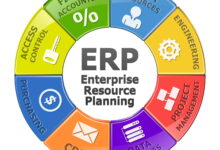
An Enterprise ERP Solution is a comprehensive software system that integrates and automates essential business processes such as finance, HR, supply chain, manufacturing, and more into a single platform. It provides a centralized database that allows departments to access and share information in real-time.
Purpose and Benefits of Using an Enterprise ERP Solution
- Streamline business operations: ERP systems help eliminate redundant tasks, reduce manual errors, and improve overall efficiency.
- Enhance decision-making: By providing accurate and timely data, ERP solutions enable managers to make informed decisions that drive business growth.
- Improve collaboration: With data accessible to all departments, communication and collaboration between teams are enhanced, leading to better coordination.
Key Features of an Enterprise ERP Solution
- Financial Management: Allows businesses to manage accounting, budgeting, and financial reporting.
- Supply Chain Management: Helps optimize inventory levels, track shipments, and manage supplier relationships.
- Human Resources: Streamlines the recruitment process, manages employee data, and automates payroll.
- Customer Relationship Management (CRM): Enables businesses to track and manage customer interactions, improving customer satisfaction.
- Business Intelligence: Provides analytics and reporting tools to help businesses gain insights and make data-driven decisions.
Types of Enterprise ERP Solutions
Enterprise Resource Planning (ERP) solutions come in various types to cater to the diverse needs of businesses. Let’s explore the different types of Enterprise ERP Solutions available in the market.
Cloud-Based ERP Solutions vs. On-Premise Solutions
Cloud-based ERP solutions and on-premise solutions are two primary deployment options for ERP systems. Here is a comparison between the two:
- Cloud-Based ERP Solutions:
- Accessible from anywhere with an internet connection
- Requires lower upfront costs
- Scalable and flexible to adapt to changing business needs
- Managed and maintained by the vendor
- On-Premise Solutions:
- Installed and maintained on-site
- Offers greater control over data and security
- Generally higher upfront costs for hardware and software
- Customizable to meet specific business requirements
Choosing between cloud-based and on-premise ERP solutions depends on factors like budget, security concerns, and the need for customization.
Industry-Specific ERP Solutions
Industry-specific ERP solutions are tailored to meet the unique requirements of certain industries. Here are some advantages of industry-specific ERP solutions:
- Customized features and functionalities designed for specific industries
- Pre-configured modules that address industry-specific processes
- Compliance with industry regulations and standards
- Enhanced efficiency and productivity due to specialized tools
By choosing an industry-specific ERP solution, businesses can streamline their operations and achieve better outcomes in their respective sectors.
Describe the key stakeholders involved in an ERP implementation and their respective roles.
In an ERP implementation, several key stakeholders play crucial roles to ensure the success of the project. Each stakeholder has specific responsibilities that contribute to the overall implementation process.
Project Sponsor
The project sponsor is typically a senior executive who provides the necessary resources, support, and guidance for the ERP implementation. Their role is to ensure that the project aligns with the organization’s strategic objectives and to make key decisions throughout the process.
Project Manager
The project manager is responsible for overseeing the day-to-day activities of the ERP implementation. They coordinate with different teams, manage timelines, and ensure that the project stays on track. The project manager acts as the main point of contact for all stakeholders involved.
IT Team
The IT team is responsible for the technical aspects of the ERP implementation. They handle system configuration, data migration, customization, and integrations with other software. The IT team ensures that the ERP system meets the organization’s requirements and functions smoothly.
End Users
End users are the employees who will be using the ERP system on a daily basis. Their role is crucial in the implementation process as they provide feedback, undergo training, and ultimately adopt the new system. End users’ buy-in and engagement are essential for the success of the ERP implementation.
External Consultants
External consultants are often brought in to provide expertise in ERP implementation. They offer insights, best practices, and guidance based on their experience with similar projects. Consultants can help streamline the implementation process and address any challenges that may arise.
Vendors
Vendors play a significant role in the ERP implementation, especially in terms of software selection, customization, and support. They work closely with the project team to ensure that the ERP system is implemented according to the organization’s needs and requirements.
Training Team
The training team is responsible for developing and delivering training programs to end users. They ensure that employees are equipped with the necessary skills and knowledge to effectively use the ERP system. Training is essential for a successful ERP implementation and user adoption.
Quality Assurance Team
The quality assurance team is responsible for testing the ERP system to identify any bugs, issues, or discrepancies. They conduct thorough testing to ensure that the system meets quality standards and functions as intended before deployment.
Customization and Integration in ERP Solutions
Customization and integration play a crucial role in maximizing the effectiveness of an Enterprise ERP Solution. Let’s delve into the importance of customization and how ERP systems seamlessly integrate with other software and applications.
Importance of Customization in ERP Solutions
Customization allows businesses to tailor their ERP systems to meet specific needs, workflows, and processes. By customizing the ERP solution, organizations can enhance efficiency, improve user experience, and achieve better alignment with their unique business requirements.
Integration with Other Software and Applications
ERP systems integrate with a wide range of software and applications to streamline operations and enhance data flow. Common ERP integrations include CRM systems, e-commerce platforms, supply chain management software, and business intelligence tools. These integrations help in achieving data consistency, automation of processes, and better decision-making.
Mapping Data Between ERP Systems and External Applications
Mapping data involves defining the relationships between data fields in the ERP system and external applications to ensure seamless data exchange. This process ensures that information is accurately transferred between different systems, maintaining data integrity and consistency.
Role of APIs in Facilitating Communication
APIs (Application Programming Interfaces) play a vital role in enabling communication between ERP solutions and third-party software. APIs define the rules and protocols for data exchange, allowing different systems to interact and share information in a standardized and secure manner.
Advantages of Pre-built vs. Custom Integrations
Pre-built integrations offer ready-made connections between ERP systems and popular applications, saving time and resources. On the other hand, custom integrations provide tailored solutions to meet specific business requirements, offering more flexibility and scalability in the long run.
Managing Data Synchronization
Data synchronization ensures that information is consistent across ERP software and external platforms. By synchronizing data in real-time or through scheduled updates, organizations can avoid discrepancies, improve decision-making, and enhance operational efficiency.
Security and Compliance in Enterprise ERP Solutions
Enterprise ERP solutions prioritize security and compliance to protect sensitive data and ensure regulatory adherence. Robust security measures are implemented to safeguard information integrity and prevent unauthorized access.
Security Measures in ERP Solutions
- Encryption: Data encryption is utilized to secure information both at rest and in transit, ensuring that only authorized users can access and decipher the data.
- Access Controls: Role-based access controls restrict system access based on user roles and permissions, reducing the risk of unauthorized individuals gaining entry.
- Authentication Protocols: Multi-factor authentication adds an extra layer of security by requiring users to verify their identity through multiple methods, such as passwords, biometrics, or security tokens.
Compliance Standards for ERP Systems
- GDPR: General Data Protection Regulation mandates stringent data protection and privacy measures for handling personal data of EU citizens.
- HIPAA: Health Insurance Portability and Accountability Act sets standards for protecting sensitive healthcare information to ensure patient confidentiality.
- SOX: Sarbanes-Oxley Act imposes regulations on financial reporting and internal controls to prevent fraud and ensure transparency in financial operations.
Risks associated with inadequate security measures in ERP solutions include data breaches, unauthorized access, and potential legal consequences for non-compliance.
Best Practices for Securing ERP Systems
- Regular Security Audits: Conduct periodic security audits to identify vulnerabilities and address them promptly.
- Employee Training: Provide comprehensive training on security protocols and best practices to ensure all users understand their role in maintaining security.
- Multi-Factor Authentication: Implement multi-factor authentication to enhance user verification and prevent unauthorized access.
Scalability and Flexibility of Enterprise ERP Solutions
Enterprise ERP Solutions play a crucial role in the growth and success of organizations by offering scalability and flexibility to meet evolving business needs. These systems are designed to handle increased data volume, users, and transactions seamlessly, ensuring smooth operations even as the organization expands.
Scalability Benefits
- Ability to accommodate growing data volume without compromising performance.
- Scalable user access to ensure all employees can utilize the ERP system efficiently.
- Seamless handling of increased transactions to support business growth.
Flexibility Features
- Customization options allow organizations to tailor the ERP system to their specific requirements.
- Integration capabilities enable seamless connectivity with other software applications, enhancing overall efficiency.
- Modular architecture facilitates easy additions or modifications to adapt to changing business needs.
Benefits of Scalability and Flexibility
- Improved decision-making through real-time access to accurate data for strategic planning.
- Cost savings achieved by streamlining processes and optimizing resource utilization.
- Enhanced customer satisfaction with personalized services based on flexible ERP capabilities.
User Interface and User Experience in ERP Solutions
User interface and user experience play a crucial role in the successful adoption and utilization of an Enterprise ERP Solution. A well-designed interface can significantly impact the productivity and efficiency of users, ultimately leading to better outcomes for the organization.
Importance of a User-Friendly Interface
A user-friendly interface is essential in an ERP solution as it helps users navigate the system easily, reducing the learning curve and increasing efficiency. It enhances user satisfaction, leading to higher adoption rates and better utilization of the software.
Enhancing Productivity and Efficiency
A good user experience can streamline workflows, automate repetitive tasks, and provide real-time insights, ultimately improving productivity and efficiency within the organization. It helps users focus on their core tasks without being hindered by complex interfaces.
Designing an Intuitive Interface
– Keep the interface simple and intuitive, with clear navigation and minimal clutter.
– Use consistent design elements and patterns to create a cohesive user experience.
– Prioritize essential functions and features, placing them prominently for easy access.
– Incorporate user feedback and testing to refine the interface based on user preferences and behaviors.
Role of User Feedback
User feedback is invaluable in improving the user interface of ERP solutions. By actively listening to user suggestions and pain points, developers can enhance the interface to better meet user needs and preferences. Continuous feedback loops ensure that the interface evolves with changing user requirements.
Responsive Design in ERP Systems
Responsive design plays a crucial role in enhancing user experience by ensuring that the interface adapts seamlessly to different devices and screen sizes. This flexibility allows users to access the ERP system from any device, improving accessibility and usability.
User Testing for ERP Interfaces
– Conduct usability testing with representative users to gather insights on interface usability and effectiveness.
– Use A/B testing to compare different interface designs and identify the most user-friendly option.
– Analyze user behavior and interactions to identify pain points and areas for improvement in the interface design.
Minimalistic Design vs. Feature-Rich Interfaces
While minimalistic design focuses on simplicity and ease of use, feature-rich interfaces offer a wide range of functionalities and customization options. The choice between the two depends on the specific needs and preferences of the organization, balancing usability with advanced features for optimal user experience.
Data Management and Analytics in Enterprise ERP Solutions
Enterprise ERP Solutions play a crucial role in managing and storing vast amounts of data generated by various business processes. These systems are designed to streamline data management, ensuring easy access, organization, and security of critical information.
Role of Analytics in ERP Systems
Analytics and reporting features in ERP systems enable organizations to gain valuable insights from their data. By utilizing advanced analytics tools, businesses can extract meaningful patterns, trends, and correlations from the data stored in the ERP system. This data-driven approach empowers decision-makers to make informed choices and drive business growth.
- Analytics help in identifying key performance indicators (KPIs) and monitoring business performance in real-time.
- Advanced reporting capabilities allow for customized reports and dashboards to visualize data effectively.
- Predictive analytics can forecast future trends and outcomes based on historical data, enabling proactive decision-making.
Data analytics in ERP systems can transform raw data into actionable insights, providing a competitive edge to businesses.
Examples of Data Analytics Driving Business Decisions
In a manufacturing company, data analytics in the ERP system can optimize production processes by identifying inefficiencies and bottlenecks. By analyzing production data, the company can enhance resource allocation, reduce waste, and improve overall operational efficiency.
In the retail sector, ERP analytics can help in understanding customer behavior and preferences. By analyzing sales data, customer demographics, and buying patterns, retailers can tailor marketing strategies, optimize inventory levels, and enhance customer satisfaction.
By harnessing the power of data analytics in Enterprise ERP Solutions, businesses can make data-driven decisions that drive growth and success.
Mobile Accessibility of Enterprise ERP Solutions
Mobile accessibility plays a crucial role in modern ERP solutions, allowing users to access important business data and processes from anywhere at any time. This flexibility enhances productivity and efficiency in today’s fast-paced business environment.
Significance of Mobile Accessibility in ERP Solutions
Mobile accessibility in ERP solutions offers numerous benefits, including:
- Increased flexibility and convenience for users who need to access ERP systems on the go.
- Improved real-time decision-making capabilities by enabling quick access to critical data.
- Enhanced collaboration among team members, even when they are not in the office.
Tasks Using Mobile ERP Applications
Examples of tasks that can be efficiently performed using mobile ERP applications include:
- Checking inventory levels and placing orders while on the move.
- Approving purchase orders or expenses remotely.
- Viewing real-time sales data and performance metrics.
Challenges and Limitations of Mobile ERP Systems
Despite the benefits, using ERP systems on mobile devices may present challenges such as:
- Screen size limitations impacting data visibility and user experience.
- Security concerns related to data transmission and device vulnerability.
- Potential limitations in functionality compared to desktop versions.
Security Measures for Mobile ERP Solutions
Key security measures that should be implemented when using ERP solutions on mobile platforms include:
- Enabling multi-factor authentication for user access.
- Encrypting data transmission to prevent unauthorized access.
- Implementing remote data wipe capabilities in case of device loss or theft.
Integration of Mobile ERP Solutions
Mobile ERP solutions can be seamlessly integrated with other business applications to ensure data consistency and workflow efficiency. This integration enhances cross-platform usability and data synchronization.
Setting Up and Configuring Mobile ERP Applications
For a typical enterprise user, setting up and configuring a mobile ERP application involves the following steps:
- Download the mobile ERP application from the respective app store.
- Log in using secure credentials provided by the ERP administrator.
- Customize the application settings based on user preferences and permissions.
- Synchronize data with the central ERP system to ensure real-time updates.
Training and Support for Enterprise ERP Solutions
Training and support are crucial aspects of successful Enterprise ERP Solution implementation. Proper training ensures that employees can effectively utilize the ERP system, leading to improved efficiency and productivity. Ongoing support is essential to address any issues that may arise and to keep the system running smoothly.
Importance of Training for Enterprise ERP Solutions
Training employees on how to use an Enterprise ERP Solution effectively is essential for maximizing the benefits of the system. It helps employees understand the functionalities of the ERP system, enhances their skills, and increases their confidence in using the software. Proper training can also reduce errors, improve data accuracy, and streamline business processes.
- On-site training sessions conducted by ERP vendors or experts.
- Online training modules and tutorials for self-paced learning.
- Training workshops and seminars to provide hands-on experience.
- Peer-to-peer training where experienced users mentor new employees.
Ongoing Support and Maintenance for ERP Solutions
Offering ongoing support and maintenance is essential to ensure the smooth functioning of Enterprise ERP Solutions. It involves providing assistance to users, troubleshooting any issues that arise, and keeping the system up to date with regular updates and patches.
- Establish a dedicated help desk or support team to address user queries and issues.
- Provide access to online resources such as FAQs, user guides, and knowledge bases.
- Regularly train employees on new features and updates in the ERP system.
- Collaborate with the ERP vendor for technical support and maintenance services.
Cost Considerations for Enterprise ERP Solutions
Implementing an Enterprise ERP Solution involves various factors that contribute to the overall cost. It is essential to consider these factors to optimize costs and understand the long-term benefits of using an ERP system.
Factors Affecting the Cost of Implementing an ERP Solution
- Software Licensing: The cost of acquiring the ERP software license can vary based on the vendor, the number of users, and the modules required.
- Implementation Services: Costs associated with implementation services such as customization, configuration, data migration, and training can significantly impact the overall cost.
- Hardware Infrastructure: Investing in the required hardware infrastructure to support the ERP system, including servers, storage, and networking equipment, adds to the cost.
- Integration with Existing Systems: Integrating the ERP solution with existing systems and applications within the organization may require additional investments in middleware and development resources.
- Ongoing Support and Maintenance: Budgeting for ongoing support, maintenance, and upgrades is crucial to ensure the continued functionality and efficiency of the ERP system.
Optimizing Costs when Adopting an ERP System
- Vendor Selection: Choosing a reputable ERP vendor with transparent pricing and a proven track record can help in negotiating better terms and avoiding hidden costs.
- Phased Implementation: Implementing the ERP solution in phases can help spread out costs, manage risks, and ensure a smoother transition for the organization.
- User Training and Adoption: Investing in comprehensive user training and change management programs can reduce errors, improve efficiency, and maximize the ROI of the ERP system.
- Regular System Audits: Conducting regular system audits to identify inefficiencies, redundancies, and unused features can help optimize the system and reduce unnecessary costs.
Long-Term Cost Benefits of Using an ERP Solution
- Improved Efficiency: Streamlining processes, automating tasks, and centralizing data through an ERP system can lead to significant cost savings by reducing manual errors and increasing productivity.
- Better Decision-Making: Access to real-time data, analytics, and reporting capabilities enables informed decision-making, resulting in cost-effective strategies and operational improvements.
- Scalability and Adaptability: ERP systems that are scalable and adaptable to changing business needs can help avoid costly system replacements or upgrades in the future, ensuring long-term cost savings.
ERP Trends and Innovations in the Industry
Enterprise Resource Planning (ERP) systems are constantly evolving to meet the changing needs of businesses. Let’s explore the latest trends and innovations shaping the ERP landscape.
AI, IoT, and Blockchain Integration in ERP Solutions
AI, IoT, and blockchain technologies are revolutionizing ERP systems by enhancing automation, connectivity, and security. For example, AI-powered chatbots are being integrated into ERP platforms to streamline customer service and support processes. IoT devices are enabling real-time data collection for better decision-making, while blockchain is ensuring data integrity and transparency in supply chain management.
Impact of Cloud Computing on ERP Solutions
Cloud computing has transformed the way ERP solutions are deployed and accessed. Organizations are increasingly opting for cloud-based ERP systems due to their scalability, flexibility, and cost-effectiveness. With cloud ERP, businesses can access real-time data from anywhere, enabling remote work and collaboration across geographies.
Data Analytics and Machine Learning in ERP Processes
Data analytics and machine learning are optimizing ERP processes by providing actionable insights and predictive analytics. ERP systems are leveraging these technologies to improve inventory management, demand forecasting, and decision-making. By analyzing large datasets, organizations can identify trends, patterns, and anomalies to drive operational efficiency and strategic planning.
On-Premise vs. Cloud-Based ERP Solutions
The debate between on-premise and cloud-based ERP solutions continues, with each offering unique benefits. While on-premise systems provide greater control and customization options, cloud ERP solutions offer scalability, accessibility, and lower upfront costs. Real-world use cases demonstrate how organizations are migrating to cloud ERP to stay competitive in a rapidly changing business environment.
Cybersecurity Measures in ERP Data Protection
As ERP systems store sensitive business data, cybersecurity measures are crucial to safeguarding information from cyber threats and breaches. Encryption, access controls, and regular security audits are essential to ensuring the integrity and confidentiality of ERP data. With the increasing frequency of cyber attacks, organizations must prioritize cybersecurity to mitigate risks and protect their valuable assets.
Customization Options in Modern ERP Systems
Modern ERP systems provide extensive customization options to cater to diverse industry requirements. Organizations can tailor their ERP solutions to meet specific business needs, workflows, and processes. From customizable dashboards to modular add-ons, ERP vendors are offering flexible solutions that empower businesses to adapt to changing market demands and industry trends.
Case Studies of Successful ERP Implementations
In this section, we will delve into real-world examples of organizations that have successfully implemented ERP solutions, overcoming challenges, and reaping the benefits of their efforts.
Case Study 1: Company X
- Company X, a global manufacturing firm, implemented an ERP solution to streamline its operations and enhance efficiency.
- Challenges faced included resistance from employees to adapt to the new system and data migration issues.
- Through thorough training programs and effective change management strategies, the company successfully overcame these challenges.
- The outcomes included improved inventory management, enhanced decision-making processes, and increased productivity.
- Key performance indicators such as reduced lead times, decreased operational costs, and increased customer satisfaction highlighted the effectiveness of the ERP system post-implementation.
Case Study 2: Organization Y
- Organization Y, a financial services firm, implemented a cloud-based ERP solution to centralize its operations and improve data accessibility.
- Challenges included data security concerns and integration with existing legacy systems.
- By working closely with the ERP vendor and conducting regular security audits, the organization addressed these challenges effectively.
- The benefits achieved after implementation included real-time insights, streamlined financial reporting, and enhanced data accuracy.
- Organizational change management played a crucial role in ensuring a smooth adoption of the ERP solution among employees.
Comparative Analysis of ERP Vendors
- Company Z opted for ERP vendor A, known for its robust financial modules and user-friendly interface.
- On the other hand, Organization W chose ERP vendor B for its advanced analytics capabilities and scalability.
- Both organizations achieved significant improvements in their operations post-implementation, albeit through different ERP solutions tailored to their specific needs.
Comparison of Leading Enterprise ERP Solutions
When it comes to choosing an Enterprise ERP solution, it’s essential to compare popular options like SAP, Oracle, Microsoft Dynamics, and others to determine which one best fits your organization’s needs. Each ERP system has its own strengths and weaknesses, making it crucial to understand the differences to make an informed decision.
SAP
SAP is known for its robust features and extensive customization options, making it suitable for large enterprises with complex operations. However, the high implementation costs and long deployment times can be a drawback for smaller businesses.
Oracle
Oracle offers a comprehensive suite of applications that cater to various industries, making it a versatile choice for businesses of all sizes. The system’s scalability and flexibility are key strengths, but the complexity of the platform may require additional training for users.
Microsoft Dynamics
Microsoft Dynamics is recognized for its user-friendly interface and seamless integration with other Microsoft products. This makes it a popular choice for businesses already using Microsoft tools. However, the system may lack some advanced features compared to SAP or Oracle.
Other ERP Solutions
There are several other ERP solutions in the market, each with its unique features and target audience. It’s essential to evaluate factors such as industry-specific functionalities, pricing, and support options to determine the best fit for your organization.
Future Outlook for Enterprise ERP Solutions
In the rapidly evolving landscape of technology and business, the future of Enterprise ERP Solutions looks promising as organizations continue to seek efficient ways to streamline their operations and enhance productivity. Let’s explore the potential trends and advancements that could shape the future of ERP solutions.
Artificial Intelligence and Machine Learning Integration
With the advancements in artificial intelligence and machine learning, we can expect ERP systems to become more intelligent and capable of making data-driven decisions. These technologies can automate repetitive tasks, provide real-time insights, and enhance predictive analytics within ERP solutions.
Cloud-Based ERP Solutions
The shift towards cloud-based ERP solutions is likely to continue growing, offering scalability, flexibility, and cost-effectiveness for businesses. Cloud-based ERP systems enable remote access, collaboration, and seamless updates, making them an attractive option for modern organizations.
Internet of Things (IoT) Integration
As the Internet of Things (IoT) expands, we can anticipate ERP solutions integrating with IoT devices to gather real-time data from connected devices and sensors. This integration can enable better tracking of assets, improved inventory management, and enhanced decision-making based on IoT-generated insights.
Blockchain Technology in ERP
Blockchain technology has the potential to revolutionize data security and transparency within ERP systems. By incorporating blockchain, ERP solutions can ensure secure transactions, traceability of data, and enhanced trust among stakeholders in the supply chain.
Personalized User Experiences
In the future, ERP solutions may focus on providing personalized user experiences tailored to individual roles and preferences. This customization can enhance user adoption, productivity, and overall satisfaction with the ERP system.
Augmented Reality (AR) and Virtual Reality (VR) Integration
The integration of augmented reality and virtual reality technologies into ERP solutions could transform how users interact with data and processes. AR and VR can offer immersive training experiences, enhanced visualization of data, and improved decision-making capabilities within ERP systems.
Ultimate Conclusion
In conclusion, Enterprise ERP Solution stands as a beacon of efficiency and innovation in the realm of business management. By embracing this powerful tool, organizations can navigate complexity with ease, streamline operations, and pave the way for sustainable growth. Discover the transformative power of Enterprise ERP Solution and unlock new possibilities for your business today.
